
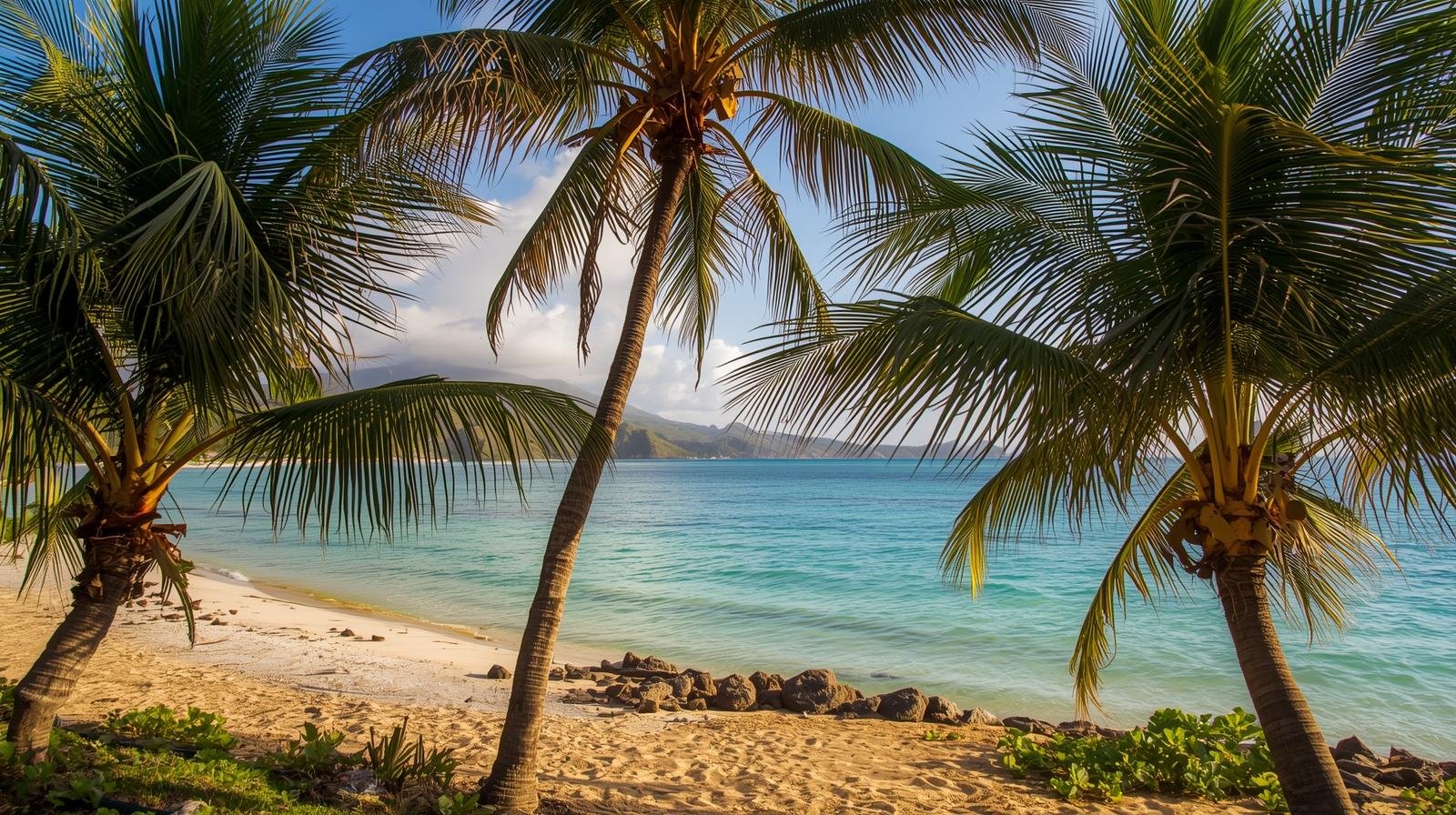
Planning a Mauritius vacation means thinking about one thing most people overlook until they arrive. Wind in Mauritius is dominated by steady southeasterly trade winds, strongest from May to September during winter.
These winds make the east and south coasts perfect for watersports like wind and kite surfing, while the north and west coasts stay sheltered and calm for beach holidays. Here’s something interesting that catches many visitors off guard.
The island basically has two different personalities when it comes to wind. Pick the wrong coast during winter, and that dream beach holiday might involve wrestling with towels and sandy lunches instead of peaceful sunbathing.
Understanding Mauritius’ Trade Wind Patterns
The southeastern trade winds blow across the Indian Ocean for most of the year. These air currents hit different parts of the island in completely different ways. The mountains in the middle of the island act like a giant wall, pushing winds up and over, which leaves the other side much calmer.
Someone staying in Grand Baie gets totally different weather than someone down on the southeastern coast. Local fishermen know exactly when and where to cast their nets based on wind patterns their grandfathers taught them.
Travelers looking for accommodations might want to check out Budget and Cheap Hotels in Mauritius in calmer areas instead of booking that beachfront room without checking which way the wind blows.
Seasonal Wind Variations Across the Island
The winter months from May to September bring serious winds to certain parts of the island. Trade winds really pick up during these cooler months, sometimes hitting 30 to 40 km/h along the coast.
The southern tip near Le Morne gets especially blustery, which is exactly why professional kitesurfers show up there for competitions. Summer, between November and April, is a bit gentler overall.
But summer also means cyclone season, which can throw some curveballs. The southeast trade winds never really stop, though. October and April are tricky months when the wind in Mauritius patterns shift around unpredictably.
Which Coastal Areas Experience the Strongest Winds
The East Coast takes the hardest hit from wind all year long. Places like Belle Mare and Trou d’Eau Douce get constant breezes that feel nice and keep things cool. The steady airflow cuts down on sticky humidity, but forget about keeping a beach umbrella standing upright.
Le Morne Peninsula wins the award for windiest spot on the whole island. This southwestern corner catches wind from several directions at once, creating conditions that thrill experienced wind and kite surfers.
Meanwhile, the north and west coasts hide behind the central mountains. Grand Baie and Flic en Flac barely feel the same winds hammering the eastern beaches.
Best Time to Visit for Calm vs Windy Conditions
Anyone wanting calm beach days should aim for November through March on the north and west coasts. These months bring the most protection, with gentle breezes that cool things down without causing problems.
The northwestern area around Grand Baie stays especially peaceful during this time. Wind sport lovers need to book May through September for the eastern and southern coasts. The reliable trade winds during winter months create perfect conditions for kitesurfing and windsurfing.
Belle Mare and Le Morne turn into gathering spots for thrill seekers. People interested in sailing might enjoy Mauritius Catamaran Sailing Cruises during these windier months when the boats really move.
How Wind Affects Popular Beach Activities
Swimming and snorkeling work great on the western and northern coasts no matter what time of year. The lagoons stay crystal clear and calm even when the wind is howling somewhere else on the island.
Families with little kids really appreciate these peaceful spots for safe swimming and playing. Watersports like kitesurfing, windsurfing, and sailing love the windier coasts during peak season.
The steady wind in Mauritius along eastern and southern shores sets up ideal conditions for these sports. But trying to relax on the beach becomes a real challenge when winds kick up, with sand blowing everywhere and umbrellas flying away.
Wind Protection Tips for Beach Holidays
Booking a hotel on the leeward side of the island gives natural wind protection all year. West coast hotels and resorts in spots like Flic en Flac and Tamarin stay consistently calmer.
Heading to the beach in the morning usually means lighter winds before afternoon breezes start up. Getting a ground floor or garden-view room instead of a beachfront balcony cuts down wind exposure a lot.
Most travelers never think about this, but it makes a real difference in comfort. Looking for the right spot? There are plenty of Budget and Cheap Hotels in Mauritius tucked into naturally sheltered locations that stay comfortable during windier months.
Activities That Actually Benefit From Wind
Besides watersports, the steady breezes make Hiking and Trekking in Mauritius way more comfortable when it’s hot. The cooling wind cuts down on overheating risks during tough climbs. Mountain trails get this natural air conditioning effect, especially on exposed ridges and peaks.
People who love photography find that windy days create amazing cloud formations and dramatic waves. The changing weather produces stunning views along eastern cliffs and southern shores.
Even watching wildlife gets better because cooler temps get animals moving around more. Wind conditions also matter for spotting Mauritius Dolphins Whales on boat trips, since calmer western waters give better chances for sightings.
Regional Wind Differences Worth Knowing
The northern tip around Cap Malheureux sits somewhere in the middle for wind. This area falls between the sheltered west and the exposed east coasts. It gives a balanced experience for people who want some breeze without anything extreme.
Southern coastal areas get the most unpredictable wind, depending onthe exact location. Spots tucked into bays stay much more protected than exposed points just a couple of kilometers away.
The wind in Mauritius can change dramatically over short distances because of how the land shapes up. Port Louis sits on the northwest coast, but sometimes gets wind funneling through mountain gaps.
Practical Wind Considerations for Travelers
Bringing lightweight layers beats packing heavy jackets for most Mauritius trips. The wind rarely makes things cold, but evenings can feel cooler than expected. A light sarong or thin jacket handles most situations just fine.
Beach stuff like umbrellas and cheap chairs becomes frustrating on windier coasts during peak season. Lots of travelers just give up and look for natural shade under trees.
Hotels on calmer coasts set up better beach areas that actually stay put. Restaurant patios vary a lot, too, with western coast places offering way nicer outdoor dining.
Frequently Asked Questions
1. When is Mauritius least windy?
November through March brings the calmest weather, especially on the north and west coasts.
2. Which side of Mauritius has less wind?
The west and north coasts get way less wind all year long.
3. Is it too windy to swim in Mauritius?
Swimming stays comfortable on sheltered western beaches even during windy winter months.
4. Does wind affect flight arrivals in Mauritius?
Strong winds sometimes cause small delays, but rarely mess up regular flights.
5. Can wind ruin a Mauritius beach holiday?
Picking the right coastal area for the season means wind adds to trips instead of ruining them.

0 Comment