
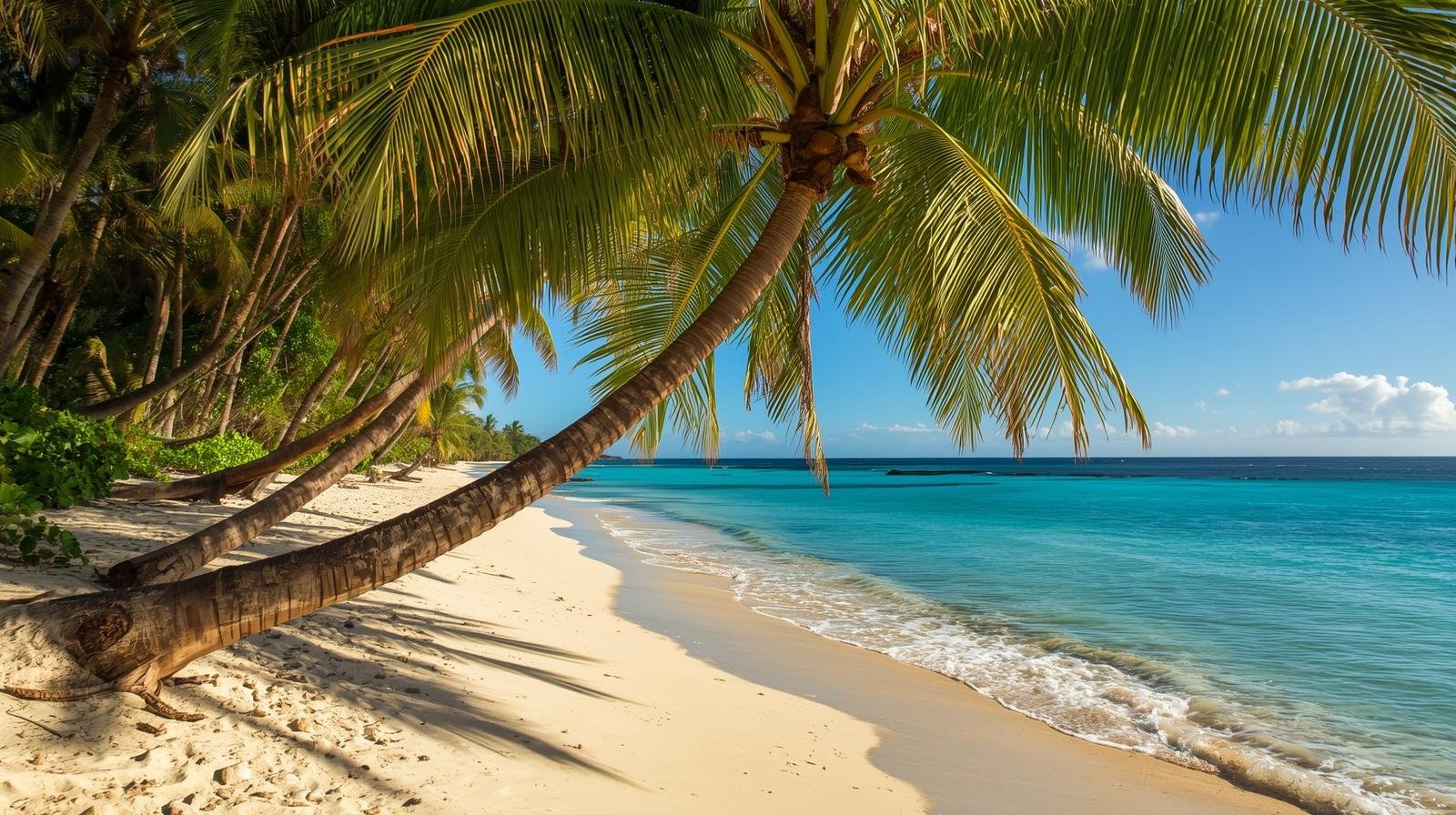
There’s something magical about an island where winter never really shows up. Mauritius keeps things warm all year, with the mercury dancing between 20 °C and 30 °C no matter what month it is. Temperatures in Mauritius work on a simple pattern: warmer and wetter from November to April, cooler and drier from May to October.
But here’s what nobody tells travelers upfront. Picking the wrong month could mean spending a fortune during peak season or watching cyclones roll through from a hotel room. So which months actually deliver that dreamy tropical experience?
Understanding Mauritius Climate and Seasonal Patterns
Mauritius flips everything upside down for Northern Hemisphere folks. Their summer kicks off in November when Europe bundles up for winter. Then from May onwards, what locals call winter feels more like a gorgeous spring day back home.
Two seasons dominate the island. Summer brings sticky humidity and afternoon rainstorms. Winter delivers clear skies and gentle breezes that make every beach day feel perfect.
Those trade winds blowing in from the southeast create completely different weather on opposite coasts. The east gets blasted with wind while the west stays calm and protected.
Summer Season: November to April
The Warm Months Breakdown
Summer cranks up the heat big time. Thermometers regularly hit 30 °C and sometimes push past it. December through February gets seriously humid, the kind where clothes stick to skin within minutes of stepping outside.
January typically dumps the most rain, though it usually arrives as quick afternoon bursts rather than all day drizzle. November eases everyone into the heat gradually. March starts backing off from peak summer intensity.
April really shines as a sweet spot month with great weather minus the crazy December prices. Anyone eyeing Luxury Holidays to Mauritius should seriously consider April, when resorts aren’t packed and rates drop noticeably.
Summer Activities and Considerations
Water lovers absolutely thrive during these months. Mauritius Catamaran Sailing Cruises run constantly, whisking people off to tiny islands and hidden beaches that feel like private paradises.
The ocean warms up to 27 °C, basically bath temperature for endless swimming and snorkeling sessions. Now, about those cyclones everyone worries about. Yes, they happen between January and March.
Most years pass without major storms, but the possibility exists. Hotels get it though and typically let guests reschedule without penalties when cyclone warnings pop up. Those afternoon rains actually feel refreshing after soaking up morning sun.
Winter Season: May to October
The Pleasant Cool Down
Calling it winter seems almost silly when temperatures hover between 22 °C and 26 °C during the day. Nights do cool down enough that a light sweater feels nice for evening beach walks.
May kicks things off by dropping the humidity to much more comfortable levels. June, July, and August bring the coolest stretch, though cool here means perfectly pleasant everywhere else. Mornings might start around 20 °C, then warm up beautifully by lunch.
The ocean cools slightly to 23 °C, but still feels great for swimming. These months pull in people who want to actually explore the island instead of just melting on a beach chair.
Winter Activities Worth Exploring
Cooler weather opens up the whole island for proper adventure. Hiking and Trekking in Mauritius becomes totally doable without feeling like walking through a sauna. Le Morne Brabant rewards the climb with views that honestly belong on postcards.
Windsurfers flock here during winter. The southeastern coast gets strong, consistent winds that create perfect conditions.
Meanwhile,Mauritius Dolphins Whales watching peaks between June and October, when humpback whales cruise through on their migration. Early morning boat trips often deliver amazing encounters with these incredible creatures.
Month by Month Temperature Guide
January to March
Peak summer heat sits heavily during these months. Expect 30 °C regularly with humidity that makes everything feel hotter. January brings buckets of rain, while February occasionally throws cyclones into the mix.
March improves as summer slowly backs down. Crowds stay moderate because some travelers avoid the weather uncertainty.
April to June
April might just be the island’s best-kept secret. Still warm at 28 °C, but rain backs off significantly. May transitions things toward winter with lovely 25 °C days that feel just right.
June continues the pleasant trend with fantastic weather for absolutely everything. These months nail that goldilocks zone of warm but not too hot.
July to September
The coolest stretch runs from 22 °C to 24 °C, with humidity finally giving everyone a break. Trade winds pick up strength along the east coast. Surf breaks close down because conditions get too rough.
But this dry spell makes it perfect for heading inland to check out waterfalls, botanical gardens, and mountain trails.
October to December
October starts warming things back up toward 26 °C. November brings back occasional showers along with rising temperatures. December explodes with tourists as families pile in for Christmas holidays.
Prices shoot up and everything books out fast. Anyone planning December trips needs to reserve accommodations months ahead or risk slim pickings.
Regional Temperature Variations Across the Island
The West Coast stays warmer pretty much always. Flic en Flac and Tamarin sit protected from those persistent trade winds. Up north around Grand Baie, the weather stays consistently pleasant, with just gentle breezes.
Over on the East Coast, where Belle Mare sits, those winds really pick up between June and August. Head into the central highlands around Chamarel and temperatures drop a few degrees. Temperatures in Mauritius shift noticeably once elevation increases.
The south coast gets the coolest, windiest conditions. Port Louis, being the capital with all those buildings, traps heat during the day and feels warmer than beaches just minutes away.
Best Times for Different Types of Travelers
Beach Lovers and Honeymooners
April, May, October, and November are absolute gold for couples. The weather stays gorgeous without hitting extreme heat. Rainfall keeps low.
Beaches stay relatively empty compared to the chaos of peak season. Ocean temperatures remain perfect for long swimming sessions and exploring reefs together.
Adventure Seekers and Hikers
June through September deliver ideal conditions for getting active. Humidity drops low enough that hiking doesn’t turn into a sweat festival.
Skies stay clear for mountain views and photography. Mornings feel energizing rather than draining, perfect for full day explorations without heat wiping everyone out.
Budget Conscious Travelers
February and March offer rock-bottom prices despite being technically summer. Cyclone season scares off some tourists, which creates opportunities for serious savings.
July and August also bring decent deals outside European vacation periods. Hotels drop rates by 30 to 40 percent compared to December’s premium pricing.
Family Vacations
School schedules lock most families into specific travel windows. December and January stay popular, even though rain shows up regularly. April works brilliantly as an alternative when Easter break lines up.
Families with small kids should look at May or June, when moderate temperatures and low rainfall make everything easier.
Water Temperature Throughout the Year
Ocean temperatures lag slightly behind air temperature changes. Summer sees water warming to a toasty 27 °C between January and March. That bathwater warmth means snorkeling for hours without even thinking about a wetsuit.
Coral reefs explode with colorful fish during these months. Winter drops water temperatures to around 23 °C from July through September. Most people find that perfectly comfortable for regular swimming.
Snorkeling continues without issues, though some folks throw on rash guards for longer sessions. Those lagoons protected by outer reefs stay a bit warmer and calmer than open water spots.
Rainfall Patterns and What to Expect
Wet season runs November through April, with February getting absolutely drenched. Rain usually shows up as afternoon thunderstorms rather than endless gray drizzle. Mornings often start sunny before clouds build and dump rain by mid-afternoon.
The eastern coast catches about 30 percent more rainfall than the western side. Dry season from May to October brings minimal rain across the island. June and July barely see any precipitation at all.
Even during supposedly wet months, days of continuous rain almost never happen. Those tropical downpours actually freshen everything up without wrecking vacation plans.
Frequently Asked Questions
1. What is the hottest month in Mauritius?
January and February push thermometers to 30 or 32 degrees regularly.
2. When does Mauritius experience its coolest weather?
July and August cool things down to around 22 degrees during the day.
3. Is Mauritius hot all year round?
Pretty much, with temperatures staying between 20 and 30 degrees always.
4. What’s the best month to visit Mauritius?
May, October, or November deliver great weather without peak season prices.
5. Does Mauritius get cold at night?
Not really cold, just cooling to 18 or 20 degrees at most.
6. When is cyclone season in Mauritius?
Cyclones can hit from January through March, mostly in February.
7. What is the water temperature in Mauritius?
Ocean temps run from 23 degrees in winter to 27 in summer.
8. Is humidity high in Mauritius?
Summer months from December to March get pretty humid and sticky.

0 Comment