
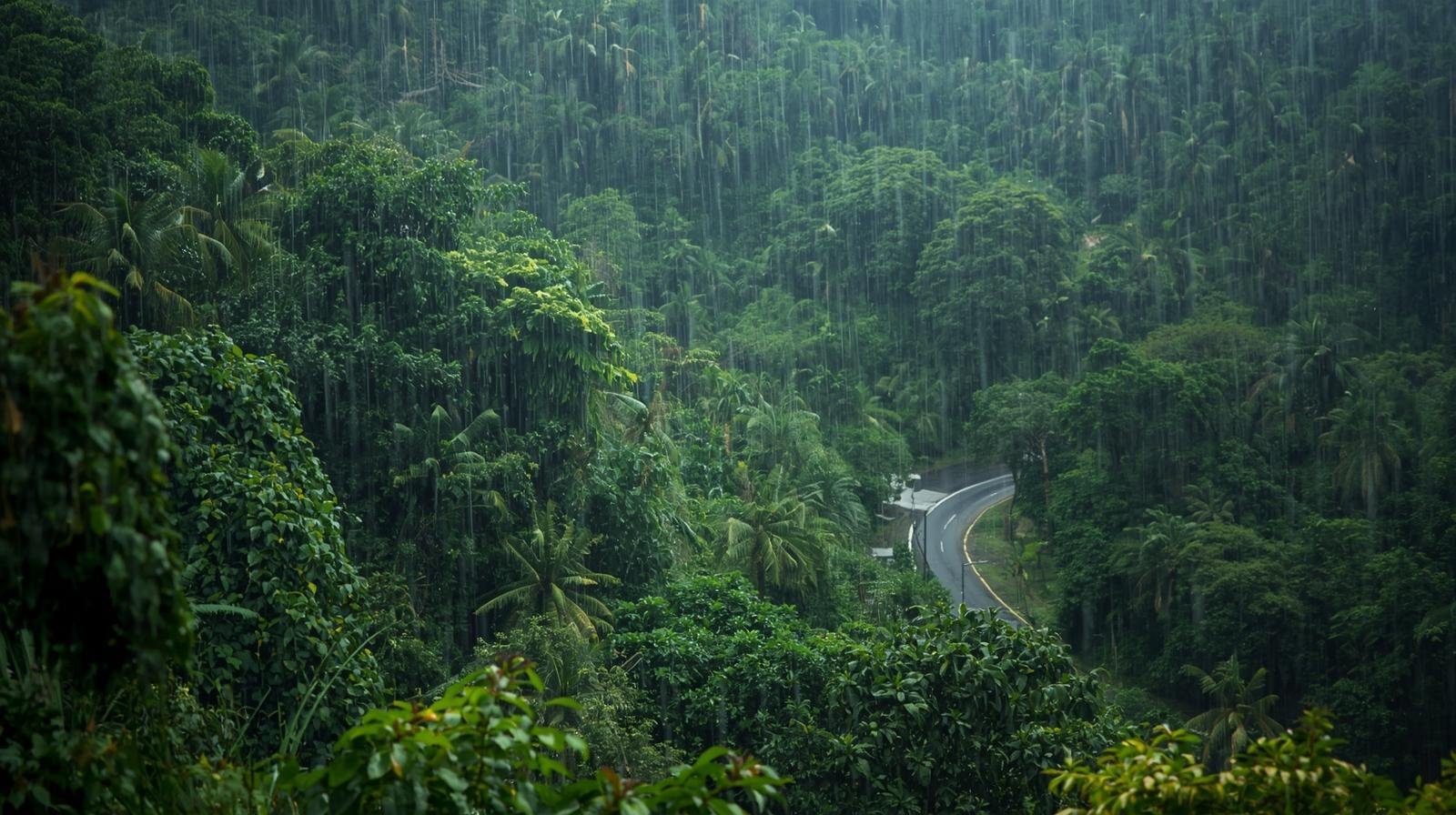
Mauritius seems like endless sunshine and crystal waters, right? Most travelers worry about rain ruining their tropical escape. But here’s the truth: rainfall in Mauritius follows predictable patterns that actually make the island more beautiful.
The heaviest showers arrive during summer (Nov to Apr), especially between January and March. Winter months from May through November stay noticeably drier and more comfortable. Interestingly, the central plateau and east coast receive more rain, while the west coast remains relatively dry.
February claims the wettest month title, and October stays the driest. Cyclones can occur between November and April, though they rarely disrupt island activities significantly. Understanding these patterns helps plan the perfect tropical getaway.
Whether seeking beach bliss or adventure, knowing when rain arrives makes all the difference. This guide breaks down everything about Mauritian rainfall to help make smart travel decisions.
Understanding Mauritius Weather Patterns
The island operates on two main seasons with distinct personalities. Summer brings warmth and moisture, transforming landscapes into lush green wonderlands. Temperatures climb between 25 °C and 33 °C during these months. Humidity levels rise noticeably, making midday feel quite sticky and warm.
Winter delivers cooler, more pleasant conditions perfect for outdoor adventures. Temperatures range from 17 °C to 24 °C across these months. Trade winds strengthen during winter, bringing refreshing breezes along the coastline. Many visitors prefer this season for hiking and exploring inland attractions.
Geography plays a huge role in where rain actually falls. The central highlands force clouds to release moisture before reaching western shores. Places like Curepipe receive substantially more rain than coastal resorts. Choosing the right accommodation location can dramatically change the weather experience.
Monthly Rainfall Breakdown
January through March brings peak rainfall to the island. February typically records around 250 to 300 mm of precipitation on average. Afternoon thunderstorms arrive suddenly, pour intensely for 30 to 60 minutes, then vanish. These dramatic showers create spectacular cloud formations and enhance natural beauty everywhere.
April and May mark the gradual transition toward drier weather. Rainfall decreases steadily, while temperatures begin dropping slightly each week. These shoulder months offer excellent conditions with fewer tourists around. It’s an underrated period that smart travelers often target deliberately.
June through September delivers the driest stretch of the entire year. Some weeks pass without a single raindrop hitting the ground. Clear blue skies dominate this period perfectly. The cooler temperatures make exploring inland areas much more enjoyable overall.
Planning Mauritius Catamaran Sailing Cruises during these months ensures calm seas. October eases into November, with warmth and occasional showers returning gradually. December shifts back toward summer patterns, though early summer sees less rainfall. The cycle continues predictably year after year across the island.
Cyclone Season Reality Check
Cyclones generate considerable worry among potential visitors planning tropical holidays. The official season runs from November through April during the summer. However, direct hits remain surprisingly rare across most years. Mauritius experiences significant cyclones only once every few years on average.
Modern weather systems provide excellent early warnings days in advance. Hotels implement well-established protocols, ensuring guest safety remains the priority. Most cyclones pass at safe distances, bringing just wind and rain. Infrastructure handles storms remarkably well thanks to strict building codes.
Life returns to normal surprisingly fast after any weather event. Roads drain efficiently, and essential services restore quickly when needed. The island has generations of experience managing tropical weather systems. Visitors staying at All Inclusive Hotels in Mauritius receive full support during any weather changes.
Best Times for Different Activities
Beach lovers and water sports enthusiasts thrive between May and December. The drier winter months deliver consistently sunny days perfect for swimming. Water visibility reaches peak clarity, revealing incredible marine biodiversity in lagoons. Snorkeling and diving conditions stay optimal throughout this extended period.
Photographers might actually prefer the wetter summer months for dramatic shots. Rains transform waterfalls into thundering cascades that look absolutely spectacular. Vegetation explodes with vibrant greens, creating stunning natural backdrops everywhere.
Light quality immediately following afternoon showers produces magical golden hour moments. Hikers should target the cooler, drier months for comfortable trekking. Climbing Le Morne Brabant or exploring Black River Gorges feels easier then. Reduced humidity makes endurance activities significantly less taxing on the body.
Trails stay dry and safe for navigation through mountain terrain. Those seeking Luxury Holidays to Mauritius often choose September through November wisely. This window offers optimal conditions with moderate temperatures and minimal rainfall.
Ocean conditions stay excellent for boat trips and water activities. Additionally, this period avoids peak tourist crowds completely. Spotting Mauritius Dolphins Whales becomes particularly rewarding when seas calm down beautifully.
Smart Packing for Mauritian Weather
Lightweight rain jackets prove invaluable regardless of the travel season chosen. Summer visitors need breathable fabrics that dry quickly after sudden showers. Cotton clothing feels uncomfortable in high humidity, so synthetic blends work better.
Waterproof bags protect electronics and important documents from unexpected downpours. Sunscreen remains essential even during cloudier summer months, unfortunately. UV rays penetrate clouds easily, causing burns without proper protection applied.
Reef safe options protect marine ecosystems while keeping skin healthy simultaneously. Reapplication every two hours ensures continuous coverage throughout beach days. Footwear choices matter more than most travelers initially realize here.
Sandals with a good grip handle wet surfaces around pools and beaches. Closed-toe shoes work best for hiking when trails get muddy. Bringing both types covers all possible activities during the stay.
Making Rain Work in Your Favor
Afternoon showers create perfect opportunities for spa treatments and relaxation. Many resorts offer excellent facilities ideal for rainy-day escapes. Indoor activities like cooking classes or cultural workshops become more appealing. Rain doesn’t mean wasted vacation time with proper planning ahead.
Lower season rates during wetter months stretch travel budgets significantly further. Hotels offer substantial discounts between January and March despite excellent conditions. Fewer tourists mean more personalized service and uncrowded beaches everywhere. The island feels more authentic and relaxed during these periods.
Frequently Asked Questions
1. When does Mauritius get the most rain?
February receives the heaviest rainfall, averaging 250 to 300 mm monthly. Brief afternoon thunderstorms occur frequently during this peak period.
2. Is it safe to visit Mauritius during cyclone season?
Yes, cyclones rarely hit directly, and modern warning systems provide ample notice. Hotels follow strict safety protocols, protecting all guests effectively.
3. Which coast gets less rain in Mauritius?
The west coast stays significantly drier than the eastern and central regions. Geographic barriers force clouds to release moisture before reaching western shores.
4. Can beaches be enjoyed during rainy season?
Absolutely, as showers typically last only 30 to 60 minutes. Sunshine returns quickly, and warm temperatures make swimming pleasant year-round.
5. What’s the driest month to visit Mauritius?
October experiences the least rainfall across the entire island annually. September and November also offer excellent dry weather conditions consistently.
6. Do hotels close during cyclone warnings?
No, hotels remain open but implement safety measures when necessary. Guests stay protected indoors until authorities declare conditions safe again.
7. How does rain affect water sports activities?
Brief showers rarely cancel activities, but strong winds might temporarily suspend them. Operators prioritize safety and reschedule when conditions improve quickly.
8. Should lightweight rain gear be packed year-round?
Yes, even during dry season, occasional showers can surprise travelers. A compact rain jacket takes minimal luggage space and proves useful.

0 Comment