
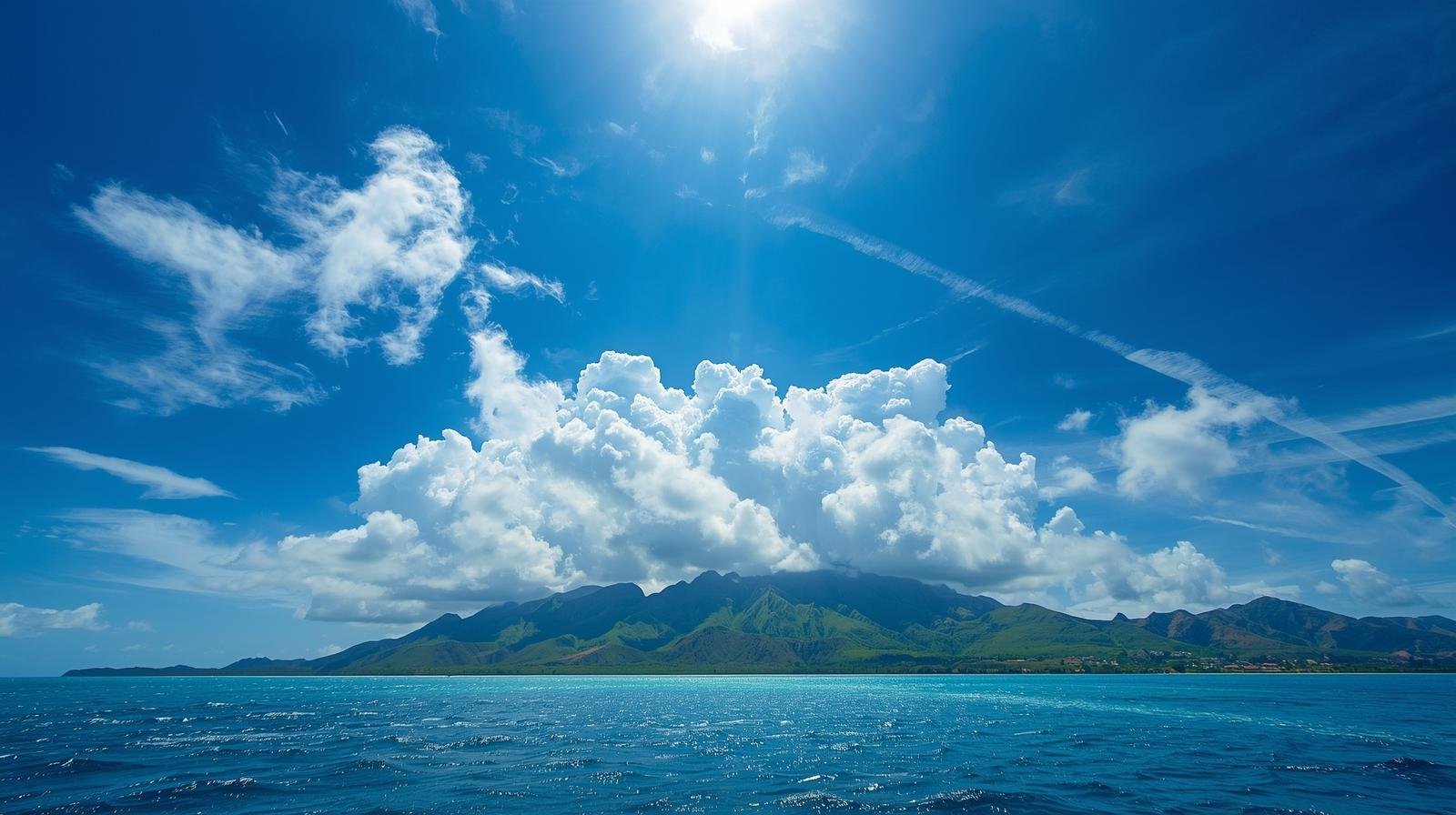
Ever show up somewhere tropical only to spend the whole week dodging rain or sweating through shirts? Happens more than anyone likes to admit. Brochures never mention the sticky humidity or those surprise afternoon storms.
Truth is, weather makes or breaks island vacations. The Mauritius Weather & Climate Guide basically splits the year into two chunks: hot summer from November to April, cooler winter from May to October.
Each stretch has its own vibe, pricing, and crowd levels. Beach bums might love one season, while hikers prefer another. Getting the timing right means scoring empty beaches in gorgeous weather instead of battling tourist hordes in ridiculous heat.
Understanding Mauritius’s Tropical Climate
So here’s the deal with seasons. Summer stretches November through April, temps hanging between 25°C and 33°C. Winter runs May to October, bringing cooler days around 17°C to 25°C.
The island’s parked just above the Tropic of Capricorn, where these trade winds never stop blowing. Creates some funky weather patterns. Head 30 minutes inland, and suddenly it’s 5°C cooler than the coast.
The east side gets hammered with rain, while the west barely sees any. Wild how different it gets across one small island.
Summer Season: Heat and Humidity
December through March cranks up the heat. Cyclone season lands during these months which sounds terrifying but honestly most storms miss completely. What doesn’t miss?
Humidity. Coastal spots feel like walking through a wet towel, especially January and February when rain hits hardest. Good news is showers blow through quickly, not those depressing all-day drizzles.
Beaches still pack with people, though. Ocean’s at 27°C which feels like bath water. Coral reefs pop with color and fish everywhere. Tons of people grab Mauritius Catamaran Sailing Cruises during summer since mornings stay flat before winds kick in after lunch.
Winter Season: The Sweet Spot
May to October feels like relief after summer’s stickiness. Humidity drops, rain becomes rare, and exploring doesn’t feel like walking through soup. Trade winds blow steadily, which makes windsurfers and kite surfers giddy.
Couples flood in during winter. Makes sense, since Mauritius Honeymoon Packages sell best when weather cooperates without being oppressive. Water cools to 22°C which sounds cold but feels refreshing after hot days. Bonus: whales cruise past the West Coast from July through October.
Regional Climate Variations
Mountains create mini weather zones everywhere. Port Louis bakes while Curepipe up in the highlands stays foggy and cool. Grand Baie up north gets sun, while the south stays green from regular rain.
West coast wins the weather lottery. Rain shadow from the mountains means half the rain of the east. That’s why all Inclusive Hotels in Mauritius cluster around Flic en Flac and Tamarin. The east coast gets soaked but looks gorgeous because of it, waterfalls flowing strong all year.
Planning Around Cyclone Season
January through March brings cyclone worries. Tracking technology gives warning days ahead, and hotels know what to do. Most storms veer north or fizzle out. Still, skipping travel insurance during these months seems risky.
Weird thing about cyclones: diving afterward looks amazing. Storms stir up ocean nutrients, making underwater life go crazy. Just check current conditions before jumping in.
Best Times for Different Activities
June to August owns beach season. Sun without brutal heat, barely any rain. Hiking works best then too, since trails stay dry and temps don’t cook hikers climbing hills. Black River Gorges looks magical under winter skies.
Surfers hit the south coast May through September when swells pump. Tamarin Bay gets crowded with learners, serious surfers chase One Eye break near Le Morne. Kitesurfers love winter trade winds screaming across lagoons.
Making the Most of Shoulder Seasons
April, May, October, and November fly under the radar. Luxury Holidays to Mauritius cost way less than peak winter, but the weather stays solid. Attractions empty out while conditions stay nice.
October really shines. Jacaranda trees bloom purple everywhere, temps rise just enough for beach comfort without summer swelter. Seasoned travelers target October as the secret sweet spot.
Ready for paradise, timed right? Check out Mauritius Tour Packages matching weather preferences with activities, avoiding the wrong season for planned adventures.
Packing for Mauritius Climate
Pack light, breathable clothes regardless of the season. Reef-safe sunscreen matters year-round, since tropical sun burns fast even through clouds. A rain jacket helps in any month, especially when exploring cooler highlands.
Winter needs a sweater for breezy evenings and freezing restaurant AC. Summer demands quick-dry fabrics, since sudden showers happen. Sunglasses and a hat protect from UV that hits harder near the equator.
Frequently Asked Questions
1. What is the hottest month in Mauritius?
February hits hardest around 31°C at the coast. Humidity makes it feel hotter than thermometers show.
2. Does Mauritius experience monsoon rains?
January to March sees more rain, but not classic monsoons. Quick downpours hit, then clear out fast.
3. When should visitors avoid Mauritius?
February and March have the highest cyclone risk. Many still go, but need flexible plans and insurance.
4. How does climate affect marine activities?
October through December gives the clearest water for diving. Whales pass by from July to October on migration routes.
5. Are there significant temperature differences across the island?
Coast stays warmer, highlands run 5°C cooler. Great for escaping the heat on summer days.

0 Comment