
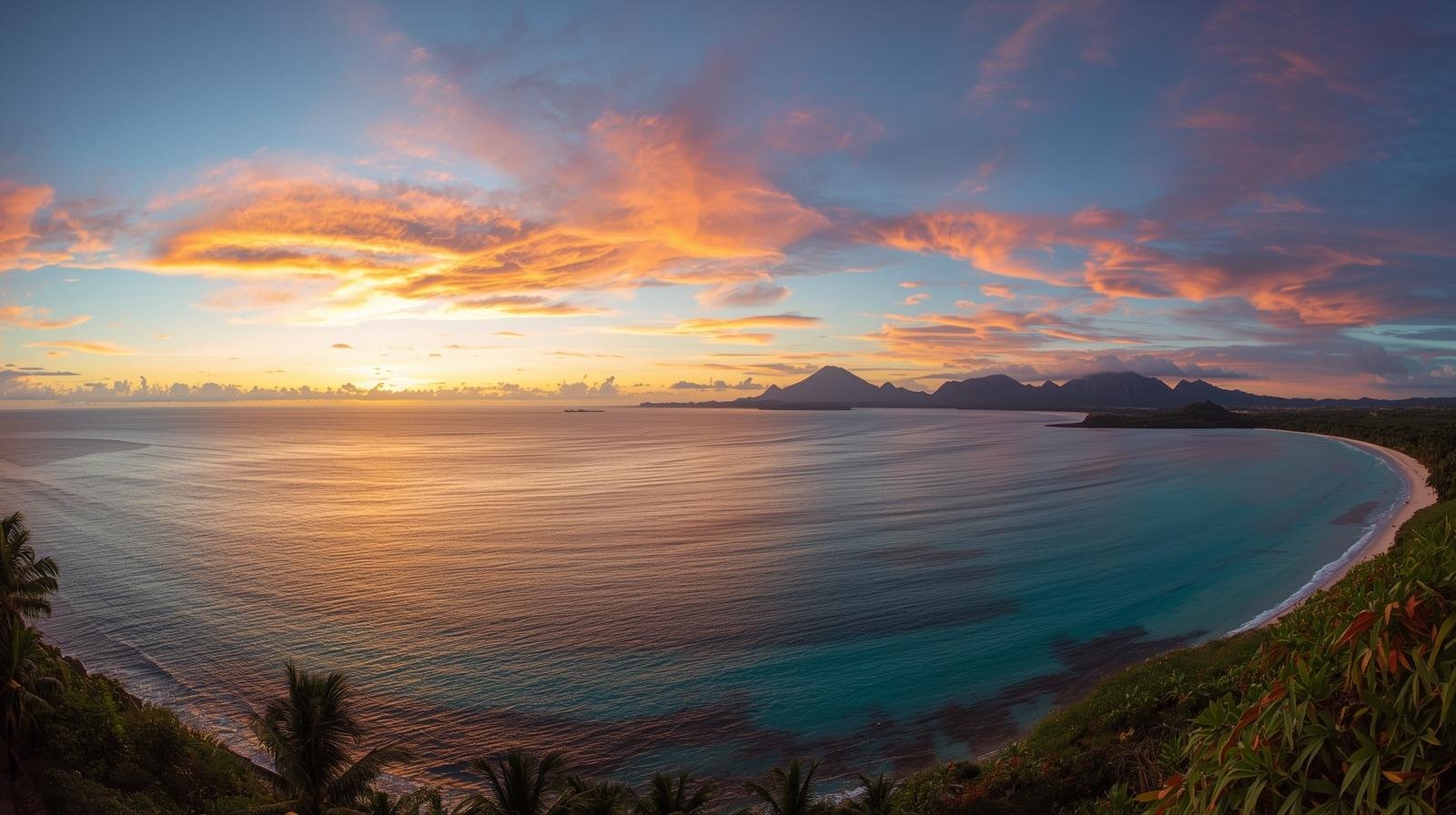
Planning a Mauritian holiday means discovering the island’s most magical moments. Light transforms everything here, from quiet beaches to bustling coastal towns. Consider this: Mauritius experiences remarkably consistent daylight hours, varying by less than an hour between seasons.
That’s a tropical advantage rarely found elsewhere. Mauritius Sunrise & Sunset Times are typically 5:00 AM to 7:30 PM during summer and 6:00 AM to 6:15 PM during winter. But what if understanding these timings could transform ordinary trips into unforgettable experiences?
Why Mauritius Sunrise & Sunset Times Matter More Than Ever
Understanding light timing directly impacts every Mauritian adventure. Photographers capture different moods depending on positioning. Romantic dinners gain intimacy through proper timing.
Water activities feel refreshing at specific hours. Travelers who understand these patterns create better memories. Unlike destinations with dramatic seasonal shifts, Mauritius offers predictability.
This consistency lets visitors plan strategically. Furthermore, timing decisions affect activity choices like Mauritius Catamaran Sailing Cruises, where perfect light converts ordinary moments into cinematic memories worth preserving.
Summer Season: November to April
Summer months bring extended daylight across the island. Sunrise occurs between 5:00 AM and 5:30 AM consistently. Sunset stretches between 7:00 PM and 7:30 PM beautifully. This eight-hour daylight window feels luxurious for beach lovers.
Temperatures range from 24 °C to 30 °C, with tropical humidity. Photographers often find midday sun challenging but rewarding during early dawn.
Many travelers coordinate Hiking and Trekking in Mauritius adventures during early morning hours, capitalizing on cooler temperatures and softer golden light throughout their expeditions.
Winter Season: May to October
Winter brings slightly later sunrises and earlier sunsets consistently. Sunrise typically occurs between 6:00 AM and 6:30 AM. Sunset falls between 5:45 PM and 6:15 PM reliably.
Days feel shorter, but light quality reaches its absolute peak. Temperatures drop to 18 °C to 24 °C pleasantly. Lower humidity levels improve visibility dramatically across the island.
Consequently, Mauritius Sunrise & Sunset Times during winter become particularly spectacular for photographers seeking clarity and vibrant horizon colors that summer months sometimes struggle matching effectively.
Geographic Variations Across the Island
Eastern and western coastlines witness Mauritius Sunrise & Sunset Times simultaneously yet experience completely different visual transformations. The East Coast greets sunrise with the open Indian Ocean providing golden light canvases beautifully.
Western coasts transform into warm hue galleries as sunlight descends naturally. Southern regions benefit from unobstructed horizons perfectly. Northern beaches offer sheltered viewing spots surrounded by vegetation.
Elevated areas witness sunrises and sunsets minutes earlier than coastal lowlands. This geographic variation creates planning opportunities for different preference levels.
Best Locations for Sunrise Experiences
Eastern beaches awakening magnificently deserve visitor attention. Trou aux Biches attracts early risers seeking peaceful photogenic moments. Water reflects golden light, creating mirror like conditions throughout.
Belle Mare extends this experience further south with seclusion. Le Morne Brabant rises 556 meters, providing exceptional vantage points.
Signal Mountain similarly offers panoramic perspectives revealing entire northern landscapes. Altitude dramatically transforms Mauritius Sunrise & Sunset Times viewing experiences across the island.
Prime Sunset Viewing Destinations
Western beaches monopolize sunset magnificence throughout the island. Flic en Flac transforms into an amphitheater where sunlight descends oceanward directly. Long sandy expanses extend golden hour photography opportunities beyond official sunset times significantly.
Tamarin Beach offers quieter alternatives with equally stunning color displays throughout. Île aux Cerfs captures the main island silhouetting against descending sunlight artistically.
Île Bénitiers positioned northwest offers unobstructed ocean horizons where sky colors intensify dramatically. These vantage points reward travelers with spectacular formations regularly.
Planning Your Day Around Mauritius Sunrise & Sunset Times
Experienced travelers structure entire itineraries around temporal light windows strategically. Morning excursions like Mauritius Dolphins Whales watching often begin well before sunrise.
Water conditions remain calmest and marine activity peaks considerably. Afternoon adventures conclude by mid-afternoon, allowing evening light preservation. Photography enthusiasts adopt “golden hour sandwiching” positioning themselves for both sunrise and sunset shoots.
Casual tourists simply prioritize location presence 20 minutes before official times. This approach ensures optimal light capture throughout entire holiday periods successfully.
Special Considerations for Different Activities
Beach relaxation benefits from mid-morning positioning strategically. Water temperatures peak and crowds arrive, creating a social atmosphere. Sunrise swimmers discover refreshingly cool water and meditative solitude beautifully.
Dinner reservations scheduled 30 to 45 minutes after sunset work perfectly. Natural light provides comfortable navigation, while candlelit tables gain romance.
Budget accommodation options in Budget and Cheap Hotels in Mauritius offer courtyard spaces gathering during sunset times. Serious photographers allocate 90 minutes per location, capturing color progressions expertly.
Practical Tips for Maximizing Your Experience
Arrive early to sunset locations by 4:00 PM consistently. Securing optimal positioning ensures parking and viewpoint access before crowds descend. Sunrise locations benefit from 5:30 AM arrivals, providing orientation time.
Check daily weather patterns, though conditions remain relatively stable throughout. Localized cloud formations develop unpredictably, affecting visual experiences considerably.
Bring water bottles and light snacks for extended viewing sessions. Mosquitoes emerge during twilight hours, making insect repellent truly prudent. Embrace variable conditions creatively, as photographers prize different atmospheric qualities.
Understanding Mauritian Light Quality
Mauritius Sunrise & Sunset Times light quality emerges from geographic positioning advantages perfectly. The island’s southern latitude creates lower sun angles throughout the entire year.
Surrounding ocean moderates temperature extremes, preventing atmospheric turbulence effectively. Indian Ocean reflections amplify light quality during early morning and late evening hours.
Summer months show elevated aerosol levels from increased biological activity noticeably. Winter’s lower aerosol concentrations allow more vivid color saturation dramatically. These factors explain why photographers prefer winter shooting seasons considerably.
Frequently Asked Questions
Q: When should I arrive for sunset photography?
Arrive 45 to 60 minutes before official sunset time. Most dramatic colors appear 10 to 15 minutes after the sun touches the horizon.
Q: Do sunrise and sunset times change throughout the year?
Yes, but minimally compared to temperate climates. Approximately 45 minutes separate earliest from latest times overall.
Q: Which coast offers better sunsets, east or west?
Western coasts excel dramatically since the sun descends into the ocean directly. Eastern coasts receive beautiful sunrise light instead.
Q: Can I predict sunset colors in advance?
Clear days typically produce vibrant colors while haze creates muted tones. However, atmospheric surprises regularly occur unexpectedly.
Q: How does elevation affect sunrise and sunset viewing?
Higher elevations witness sunrise 3 to 5 minutes earlier. Sunset occurs 3 to 5 minutes later than sea level locations.
Q: What’s civil twilight versus astronomical twilight, exactly?
Civil twilight provides adequate ambient light for outdoor activities. Astronomical twilight extends much longer but remains too dark.
Q: Should I visit during dry season for better sunsets?
Dry season generally provides clearer viewing conditions reliably. However, rare clear days during wet season sometimes produce equally spectacular displays.
Q: Can I see both sunrise and sunset the same day?
Absolutely, morning early risers can position for sunrise initially. Relocate for sunset viewing to maximize light-based photography opportunities.

0 Comment