
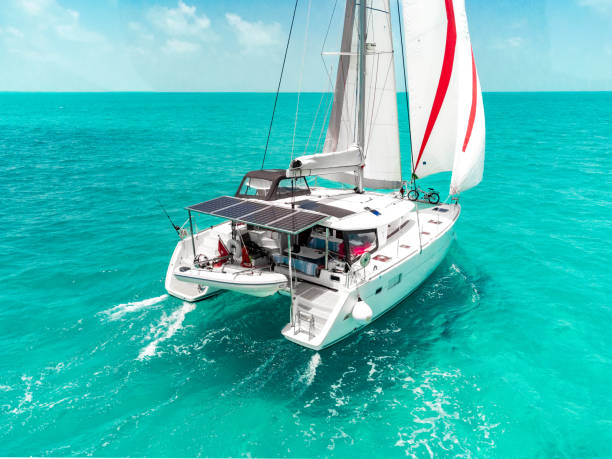
Almost every visitor to Mauritius ends up on a boat at some point.
The problem is that
catamaran cruise Mauritius
returns hundreds of near-identical listings, all photographed on
the same flat turquoise water, and many do not tell you which trip
fits your route, travel dates or the side of the island where you
are staying.
This guide is built to answer those practical questions. Fabular Holidays-Mauritius operates local Mauritius activities, including catamaran
cruises, and lists the route, departure point and trip format so
travellers can choose with clearer expectations. Below you will
find typical prices, what happens hour by hour, which coast to
consider, seasonal conditions and the practical side of the
dolphin question.
At a glance: A catamaran cruise in Mauritius is
a shared or private sailing trip on a twin-hulled boat, usually
around 2 hours for a sunset sail or about 7 hours for a full day
with a barbecue lunch, snorkelling and time on an offshore island.
Shared prices in the trips listed here run from €38 to €55 per
person, while a private charter starts at €365.
What a catamaran cruise in Mauritius actually is
A catamaran has two hulls instead of one. That design gives the
boat a wider, more stable platform, making it easier to walk
around, eat lunch and relax than on many comparable
single-hulled boats.
In Mauritius, the phrase covers three different trip formats,
and knowing the difference is important before you book:
Shared full-day cruises
Typically around seven hours, with a shared group, sailing,
snorkelling, lunch and time on an offshore island. This is
the classic Mauritius catamaran day trip.
Shared sunset cruises
Usually around two hours in the late afternoon, with drinks
and light food. A shorter option for travellers who want the
sailing experience without committing to a full day.
Private charters
The boat is reserved for your group, with more control over
timing and the experience. The total price is higher,
although groups can split the cost.
Catamaran vs speedboat
Not every trip advertised alongside catamaran cruises uses
a catamaran. Northern island-hopping tours are often
speedboat trips, which travel faster and handle long
crossings differently.
For example, the
Northern Islands tour to Coin de Mire, Gabriel and Flat Island
is listed as a half-day speedboat trip at €65. The vessel matters,
not only the marketing headline.
What it costs
Prices depend on trip length, departure point, route, group size
and whether the boat is shared or private. For the Fabular Holidays-Mauritius trips listed here, the following prices provide a
clearer budgeting reference:
| Cruise | Length | Price | Departs from |
|---|---|---|---|
Sunset Catamaran Cruise, Grand Baie |
2 hours | €38 adult, €19 child | Grand Baie Public Beach |
Ile aux Cerfs Catamaran Cruise |
7 hours | €55 per person | Trou d’Eau Douce |
Private Sunset Cruise with Lobster Dinner |
5–7 hours | €365 for up to 4 | Black River |
Luxury Private Yacht Cruise, Northern Islands |
7–8 hours | €1,500 private charter | Black River |
Prices are the figures supplied for this article and should be
rechecked against the live activity page before publication
or booking.
The full comparison — including shared versus private cruises,
coast selection, child pricing, what “all inclusive” can include,
and how to compare seemingly cheaper options — is covered in
how much a catamaran cruise in Mauritius costs.
Which coast: east, north or west?
The coast you choose affects the type of water, scenery, travel
time and overall feel of the trip. There is no single route that
fits every traveller.
East — Île aux Cerfs
The classic full-day option, usually with lagoon sailing,
a stop associated with the Grand River South East area and
time on Île aux Cerfs. It is a straightforward fit for a
first visit and for families who want a full day with lunch.
North — Coin de Mire, Gabriel and Flat Island
A more open-water route with offshore islands and a strong
snorkelling appeal. It is particularly practical for
travellers staying around Grand Baie and Cap Malheureux.
West — Black River and Tamarin
A common choice for dolphin-focused outings, with Le Morne
often part of the wider coastal scenery. This side also
suits travellers based around Flic en Flac, Tamarin
and Le Morne.
Why wind matters
Mauritius’ trade winds and local geography can change how
exposed a route feels. Route choice is therefore partly a
weather decision, not simply a scenery decision.
For the detailed route comparison, including which coast to
consider in different conditions, see
which coast has the best catamaran cruise in Mauritius.
What a full day on board is actually like
Timings vary by operator and route, but a shared full-day cruise
often follows this general rhythm:
Around 09:00 — Boarding
You arrive at the departure point, complete the safety briefing
and board before departure. Protect electronics and other
valuables from spray and accidental splashes.
09:30 to 11:00 — Sailing out
Once the boat is underway, the sailing itself becomes a major
part of the experience. The front netting is often a popular
spot for views and sea breeze.
Mid-morning — Snorkelling
A typical first stop lasts around 30–45 minutes. Follow crew
instructions about the safest area to enter and exit the water
and where currents are strongest.
Around midday — Lunch
On a full-day cruise, lunch is commonly prepared on board while
the boat is at anchor. The menu can include grilled fish or
chicken, rice, salads and drinks; confirm the exact menu,
vegetarian options and allergy handling before booking.

catamaran cruise.
Early afternoon — Island time
Many full-day routes include two to three hours around an island
or beach. Depending on the route, you may have a developed
tourist area or a quieter beach with fewer facilities.
Around 16:00 — Return
The return sail is often quieter. Reapply sun protection before
the return leg rather than waiting until the end of the afternoon.
Two practical details are easy to underestimate: reflected
sunlight can be intense on the water, and beach landings may
involve broken coral or rocky patches. A high-factor sunscreen,
hat, sunglasses and suitable footwear can make a
noticeable difference.
Dolphins, and the part nobody wants to explain
Swimming with dolphins is one of Mauritius’ most searched marine
activities. West-coast excursions around Tamarin Bay may
encounter wild spinner dolphins in open water.
It is also a regulated activity. The Tourism Authority’s Dolphin
and Whale Watching Regulations 2012 govern matters such as
operating conditions and interaction rules. Because rules and
operating requirements matter, travellers should ask the operator
what procedures they follow rather than relying only on a
marketplace description.
Fabular Holidays-Mauritius’ listed dolphin options include a
two-hour dolphin and whale excursion
at €50 and a
five-to-six-hour dolphin and whale watching day
at €100 that adds whale watching and reef snorkelling.
For the detailed discussion of the legal and ethical side of
the activity, see
swimming with dolphins in Mauritius: the ethics, the rules and how to pick a responsible operator.
When to go, and what the wind is doing
Mauritius experiences south-east trade winds, with stronger winds
during the cooler season from June to September. That matters
because the same wind can make one coast feel noticeably more
exposed than another.
December to April
Warmer water and generally lighter winds, but this period
overlaps with the island’s official cyclone season. Weather
can change quickly, so keep a cancellation or rebooking
policy in mind.
May to September
Often drier and clearer, with cooler sea temperatures and
stronger trade winds. Choosing the more sheltered route
can make more difference than choosing a particular date.
October and November
A transition period as winds ease and water temperatures
rise. Conditions still vary by day, but these months can
offer a useful balance for travellers who prefer fewer
extremes.
Wind beats the calendar
A windy morning can make an exposed crossing uncomfortable
even when the forecast looks fine elsewhere on the island.
Check the specific coast, not only the month.
For the more detailed month-by-month discussion and practical
seasickness advice, read
seasickness and winter winds: when and where to take a catamaran cruise in Mauritius.
How to book without getting caught out
Confirm the vessel
Ask whether the trip is actually operated on a catamaran or on
a speedboat. The two experiences are different.
Confirm the exact departure point
“East coast” or “north coast” is not specific enough for planning
a transfer. Check the exact jetty or beach shown on the live
booking page.
Check whether transfers are included
A cheaper cruise can become more expensive after adding a long
taxi ride. Compare the complete travel cost, not only the
boat ticket.
Ask what “all inclusive” covers
For full-day cruises, verify lunch and drinks. For sunset cruises,
check whether “all inclusive” means drinks and snacks only or
includes a meal.
Read the cancellation policy
Weather can disrupt marine activities. Check the operator’s
cancellation or rebooking window before payment and keep the
policy accessible after booking.
Know who operates the trip
Marketplace listings can represent local operators. Direct
booking can make it easier to confirm departure details,
inclusions and contact information with the actual
activity provider.
Once you know the route, date and trip format you want, browse
the live
catamaran cruise Mauritius
activity page and compare the current departures and inclusions.
Frequently asked questions
Is a catamaran cruise in Mauritius worth it?
For most visitors, a catamaran cruise is a convenient way to
combine lagoon scenery, reef time and offshore islands in
one day. It may offer less value for travellers who only
want snorkelling and already have access to a good
house reef.
How long is a catamaran cruise in Mauritius?
Shared full-day cruises run about seven hours, typically
around 09:00 to 16:00. Sunset cruises are around two hours.
Half-day island tours, often operated by speedboat rather
than catamaran, commonly run four to five hours. Private
charters can be longer or shorter depending on the booking.
Do catamaran cruises include food and drink?
Full-day shared cruises commonly include a barbecue lunch
cooked on board and drinks. Sunset cruises generally
include drinks and light snacks rather than a full meal.
Always verify the specific listing before booking.
What should I bring on a catamaran cruise?
Bring high-factor sun cream, a hat, sunglasses, a light
windbreaker between June and September, a towel, water
shoes or old trainers for beach landings, and some cash.
Keep valuables protected from water.
Can children go on a catamaran cruise in Mauritius?
Yes. Catamarans are often a practical option for families
because the twin-hull platform is relatively stable.
Child pricing varies by operator and route, so check
the specific trip.
Will I get seasick on a catamaran?
A catamaran generally rolls less than a comparable
single-hulled boat. Lagoon routes are often calmer, while
exposed crossings to northern islands can feel rougher,
especially during stronger winter trade winds.
Are catamaran cruises cancelled for bad weather?
Yes. Responsible operators may cancel or change a sailing
when weather or sea conditions make the trip unsuitable.
Check the operator’s weather and cancellation policy
before paying.
More Mauritius cruise guides
How much a catamaran cruise in Mauritius costs
Which coast has the best catamaran cruise in Mauritius
Swimming with dolphins in Mauritius: the ethics, the rules
and how to pick a responsible operator
Seasickness and winter winds: when and where to take a
catamaran cruise in Mauritius
Ready to compare Mauritius catamaran cruises?
Check the current routes, prices, departure points and trip
formats on the Fabular Holidays-Mauritius catamaran cruise page.