
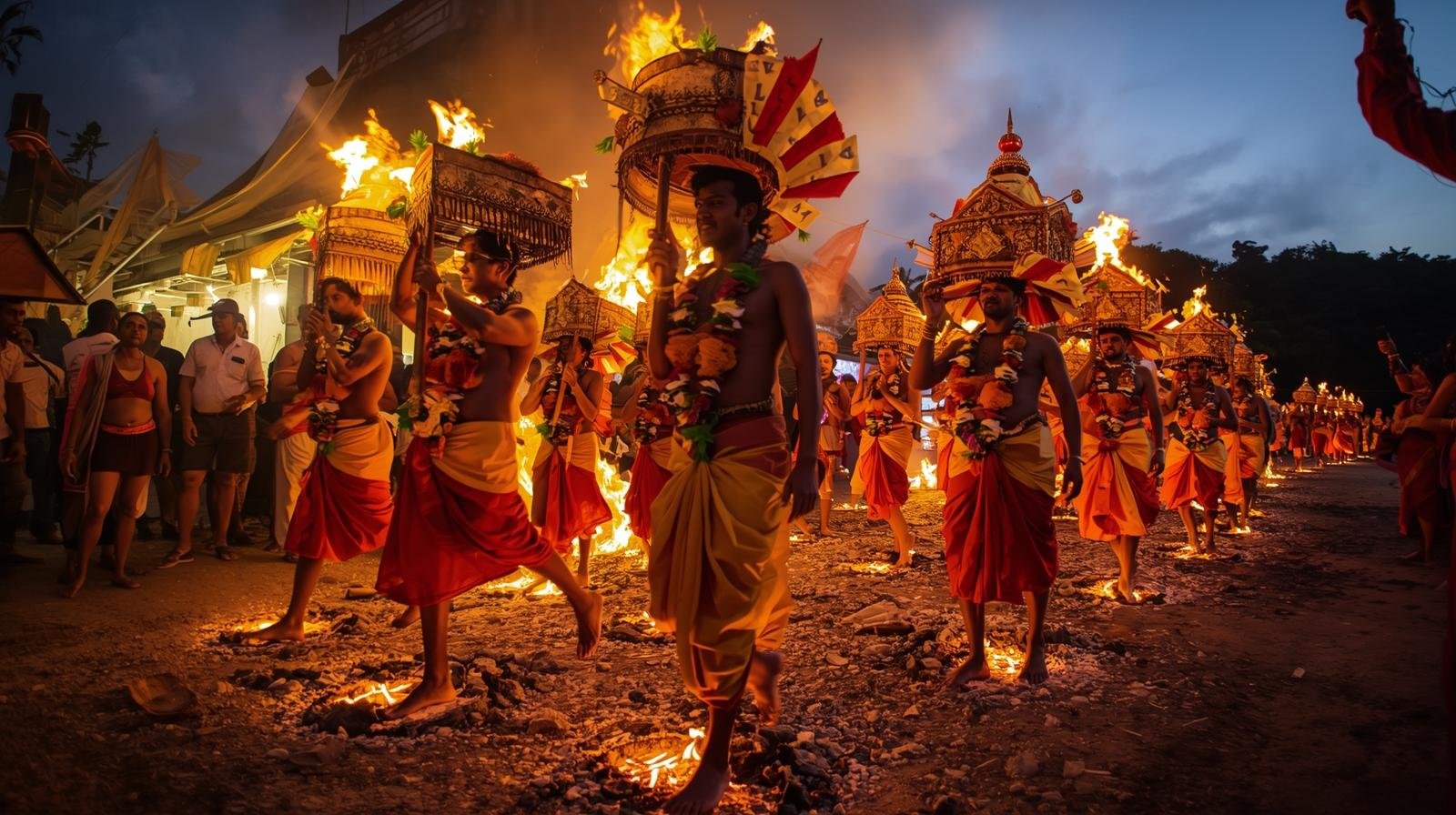
Mauritius transforms completely when festival season arrives. The island doesn’t announce these celebrations with fancy marketing campaigns or corporate sponsors. Instead, neighborhoods quietly begin filling with decorations, kitchens smell different, and strangers suddenly start talking to each other.
Famous festivals in Mauritius represent the real heartbeat of this country, where different religions and cultures don’t just tolerate each other but genuinely celebrate together.
This isn’t something scripted for tourists or packaged into neat experiences. It’s messy, chaotic, joyful, and absolutely authentic. So what makes these celebrations worth planning a whole trip around? Let’s explore!
Divali: The Festival of Light That Illuminates Everything
Divali hits the island like a switch flipping from ordinary to extraordinary. Tiny oil lamps appear on every windowsill, doorstep, and corner of homes throughout neighborhoods. Families spend weeks preparing traditional sweets and savory dishes using recipes passed down through multiple generations.
The smell of cooking, combined with incense and flowers, creates an atmosphere that feels genuinely sacred without being pretentious about it. Homes transform into art installations, with lights strategically placed to highlight courtyards and gardens.
Strangers genuinely stop by to offer sweets to people they’ve never met before. Children run around with excited energy that feels natural rather than manufactured. The celebration spreads beyond Hindu homes into streets and public spaces where communities gather together without needing special permission.
This five-day festival celebrates light triumphing over darkness, but what really happens is people connecting over something bigger than themselves.
Check Mauritius Tour Packages featuring Divali season visits to experience this authentic energy firsthand.
Holi: The Color Revolution That Captivates Visitors
Holi mornings feel genuinely different from any other day on the island. Colored powder appears everywhere simultaneously, like someone orchestrated a massive artistic explosion.
Entire streets turn into living paintings where purple blends with pink, yellow mixes with blue, and nobody cares about getting messy anymore. People who normally keep their distance suddenly hug each other, laugh freely, and act like old friends reuniting after decades.
Before the colors fly, communities gather around bonfires to symbolically release negative energy and old problems. These fires represent letting go of grudges, misunderstandings, and anything weighing people down emotionally.
The moment colors start flying creates pure chaos that somehow feels organized despite looking completely wild. Everyone becomes equal during these hours regardless of age, status, or background.
Traditional foods get prepared with specific techniques that only work during Holi season, apparently. The celebration demonstrates exactly why famous festivals in Mauritius matter so deeply to local communities and visiting travelers alike.
Eid ul-Fitr: Celebration, Gratitude, and Community Harmony
Ramadan changes the entire island’s rhythm and daily pattern completely. The Muslim community fasts from sunrise until sunset, which means neighborhoods feel quieter and more contemplative throughout the day.
When evening arrives, people gather together to break their fast with family and friends in what becomes a deeply spiritual experience. The month emphasizes community, sacrifice, and getting back to basics in ways that modern life usually prevents.
When Eid finally arrives after thirty days of fasting, the celebration feels earned rather than routine. Families wear new clothes, visit each other’s homes, and prepare specific foods that carry generations of family history.
Extended families gather even when distances between them normally keep people separate. The generosity during Eid extends beyond religious communities, as neighbors join celebrations across different backgrounds.
Homes open their doors to anyone willing to participate respectfully. This inclusive approach to famous festivals in Mauritius shows how the island has genuinely learned to blend different traditions together successfully.
Maha Shivaratri: Spiritual Pilgrimage to Sacred Caves
Maha Shivaratri feels fundamentally different from other celebrations happening on the island. The energy becomes more introspective, spiritual, and intensely focused on faith expression.
Thousands of devotees walk barefoot toward Grand Bassin, a crater lake considered sacred by Hindu communities. They carry large decorated structures adorned with flowers and religious symbols during their journey to worship together.
The pilgrimage itself becomes a walking meditation where chanting creates a rhythmic backdrop for hours of walking. People enter states of deep concentration that outsiders can observe but never fully understand.
The commitment shown during this festival demonstrates how belief systems translate into action for communities. This pilgrimage represents one of Asia’s most significant spiritual gatherings despite its remote island location. Visitors witness authentic religious practice without performance or tourism marketing interfering.
Explore Mauritius Honeymoon Packages that include respectful opportunities to observe these deeply spiritual celebrations.
Christmas and New Year: Western Traditions with Island Flavor
Christmas celebrations arrive with decorations mixing European aesthetics and tropical sensibilities in unexpected combinations. Palm trees stand decorated alongside traditional Christmas symbols creating visual contrasts that somehow feel natural.
The heat doesn’t dampen holiday spirit, but instead creates a unique atmosphere where beaches become celebration zones. Families gather for meals combining traditional European Christmas fare with Mauritian specialties that make menus feel hybrid yet cohesive.
New Year’s Eve on beaches offers fireworks displays reflecting off ocean waters in ways that mainland cities simply cannot replicate. The celebration brings together diverse communities, creating collective joy and anticipation about fresh beginnings.
Churches fill with worshippers and curious neighbors seeking spiritual grounding as years transition. Restaurants get creative with special menus that blend cultural traditions seamlessly.
Local businesses participate enthusiastically in creating a festive atmosphere throughout December. This approach perfectly captures what famous festivals in Mauritius accomplish by breaking down barriers between different communities and backgrounds.
Thaipusam: Devotion and Piercing Rituals
Thaipusam represents the most intense festival celebration happening on the island throughout the year. Tamil communities honor Lord Murugan through rituals involving body piercing with multiple skewers and hooks.
Devotees walk considerable distances in states that appear physically impossible to maintain. The festival pushes boundaries deliberately and challenges outside perspectives on how faith gets expressed.
What becomes apparent during Thaipusam is how genuine devotion transcends physical limitations completely. Participants enter meditative states where pain becomes secondary to spiritual connection.
The celebration doesn’t exist for entertainment or tourism purposes but remains purely devoted to religious practice. Observing authentic spiritual expression that raw and real creates understanding about faith that books cannot provide.
The festival demonstrates why famous festivals in Mauritius maintain such power and authenticity, despite modern tourism pressures constantly working against that.
Planning Festival Experiences That Actually Matter
Booking a place to stay during festival season needs early planning because hotels fill fast. Each festival has its own energy, colours, food, and meaning. Holi usually happens in February or March, Divali falls in October or November, and Eid shifts each year with the Islamic calendar.
Arriving a few days early helps travellers see the preparations, from decorated streets to families cooking together. Respectful participation starts with understanding local customs.
Festivals are visually stunning, but the real experience comes from watching how communities prepare and share their traditions. Planning around famous festivals in Mauritius turns a simple visit into meaningful cultural time.
Explore All Inclusive Hotels in Mauritius that offer festival packages with cultural activities included.
Why These Celebrations Actually Matter
Famous festivals in Mauritius emerged because immigrant communities from India, Africa, Europe, and the Middle East brought their traditions here deliberately. Rather than staying separate or isolated, these diverse populations figured out how to celebrate together meaningfully.
The festivals represent a living heritage that constantly evolves while maintaining core spiritual values and traditions. They prove that different religious communities can share spaces, food, celebrations, and genuine respect without losing their individual identities.
These celebrations matter because they demonstrate practical multiculturalism actually working in real life. Communities aren’t forcing unity through government mandates but choosing it voluntarily through shared celebrations.
Families from different backgrounds visit each other’s homes during festivals, share meals, and participate in rituals that matter deeply to communities different from their own. This level of authentic cultural respect gets built over generations through consistent participation and genuine interest.
Making the Most of Festival Experiences
Arriving early enough to observe preparation phases yields unexpected cultural insights. Watching how neighborhoods gradually decorate and families prepare special foods reveals priorities and values underlying each celebration.
Photography rules deserve respect because some moments carry spiritual significance surpassing documentation needs. Sacred rituals often involve photography restrictions that communities established for important reasons.
Asking permission before capturing anyone or sacred moments demonstrates genuine respect for people’s beliefs and practices. Saying no to photos sometimes means accepting that some experiences matter more when experienced directly rather than through camera lenses.
The sounds, smells, tastes, and feelings of being present during celebrations create lasting memories differently than photographs can achieve. Combining sensory experiences creates something more authentic than any image capture would provide.
Combining Festival Celebrations with Other Island Activities
Mauritius provides incredible natural beauty and adventure opportunities beyond festival participation. After Holi celebrations wind down, pristine northern beaches offer different energy and relaxation options.
Following Divali festivities, sailing excursions across the Indian Ocean create contrast that enhances both experiences considerably. Booking Mauritius Catamaran Sailing Cruises between festival events allows experiencing the island’s diverse attractions together.
Frequently Asked Questions About Famous Festivals in Mauritius
1. When do famous festivals in Mauritius typically occur throughout the year?
Divali generally happens around October or November each year. Holi occurs between February and March, while Eid dates shift annually following Islamic calendar calculations.
2. Can non-Hindu visitors participate in Divali celebrations?
Communities welcome outside participation enthusiastically and openly. Learning basic customs beforehand shows respect and helps visitors engage more authentically.
3. Are there safety concerns during festival celebrations?
Celebrations remain remarkably safe with strong community policing throughout events. Standard travel precautions apply similarly to any vacation destination visited.
4. What should travelers pack for attending famous festivals in Mauritius?
Light breathable fabrics work best for tropical climates during celebrations. Comfortable walking shoes matter considerably during extended festival activities.
5. How can travelers respectfully photograph festival celebrations?
Always ask permission before capturing people or sacred ritual moments. Respecting refusals demonstrates genuine respect for communities’ spiritual beliefs and practices.
6. Which festival offers the best experience for first-time visitors?
Holi appeals to newcomers through its playful and welcoming atmosphere. The celebration’s emphasis on joy and inclusion makes participation feel naturally easier initially.
7. Are famous festivals in Mauritius crowded with tourists?
Local participants vastly outnumber tourists at most celebrations overall. Communities drive celebrations rather than tourist expectations, shaping the experience fundamentally.
8. How far in advance should accommodations be booked for festival season?
Booking 3 to 6 months ahead secures better options and reasonable pricing. Festival seasons fill quickly, making early planning essential for accommodation satisfaction.

0 Comment