
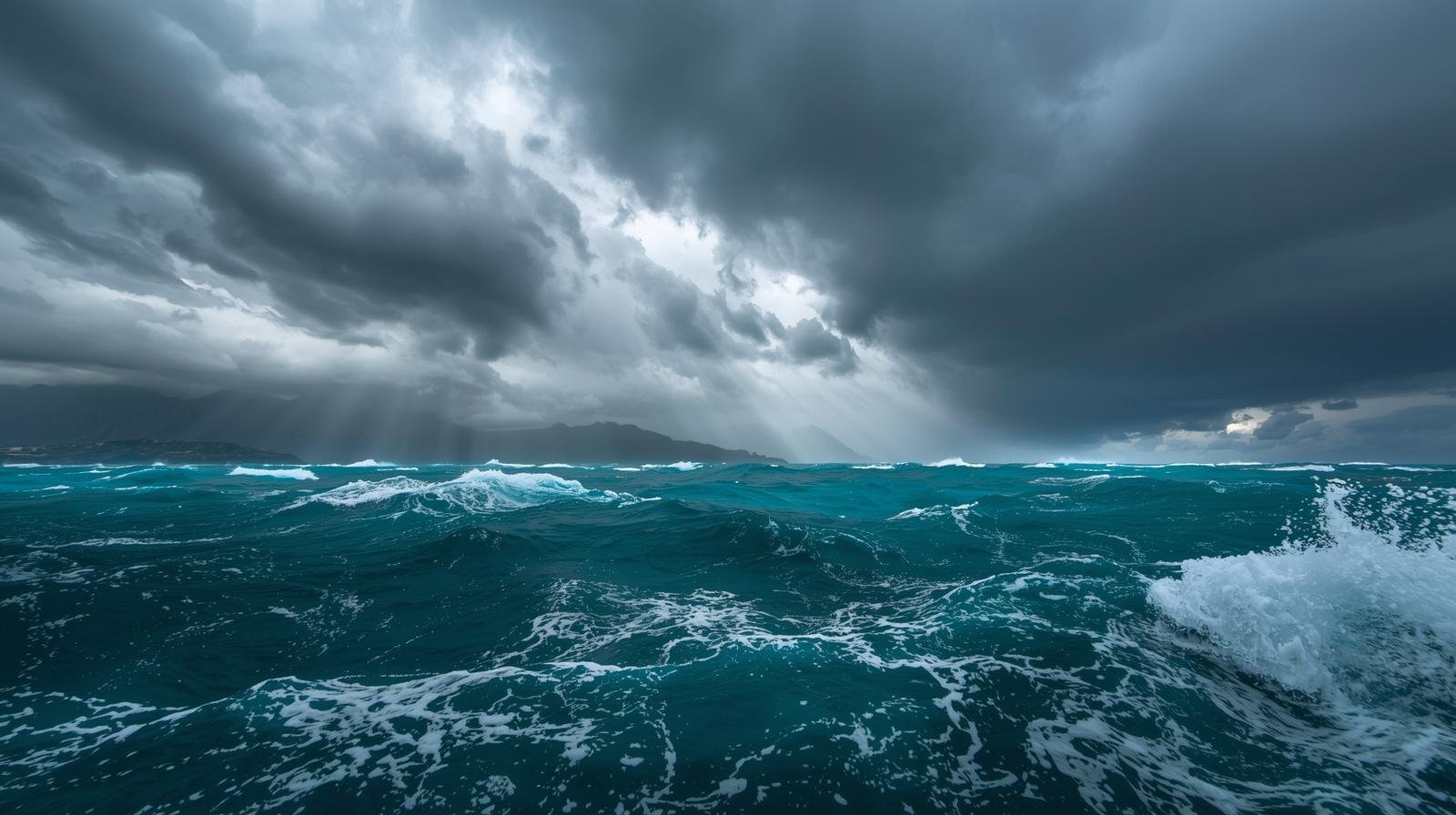
When planning a tropical getaway, weather naturally concerns any thoughtful traveler. Most people instinctively avoid certain seasons based on storm risks. But here’s what most don’t know about cyclones in Mauritius: they’re far less disruptive than island stereotypes suggest, and visitors actually flourish during these months.
The island experiences a fascinating transformation when the ocean warms and seasonal storms develop. While cyclones do occur between November and May, most years see minimal direct impact.
Smart travelers who understand the facts discover incredible deals, lush landscapes, and genuinely safer conditions than prevailing myths suggest. Let’s uncover what really happens when cyclones threaten this Indian Ocean gem.
Understanding What Cyclones Are and Why Mauritius Gets Them
Cyclones in Mauritius form when warm Indian Ocean waters evaporate rapidly during the summer months. Rising air masses spin through the Coriolis effect, creating the distinctive rotating storm systems.
The island sits naturally within the South Indian Ocean cyclone belt, like Florida experiences hurricane seasonally. Formation happens gradually, allowing modern weather systems to detect developing storms early.
This early detection means authorities issue warnings with plenty of advance notice. Residents and visitors gain time to prepare properly rather than facing surprise emergencies.
The process begins with ocean water evaporating faster than usual. Wind patterns capture this moisture and spin it into rotating masses. Scientists monitor these patterns continuously throughout the entire season.
The Cyclone Season Timeline and Peak Periods
Peak activity concentrates between December and February, when Southern Hemisphere summer peaks. January records historically the most cyclone formations across the entire Indian Ocean region. However, many seasons pass with minimal direct island impact whatsoever.
Systems frequently form over distant ocean waters, then veer northward away. Some weaken substantially before approaching the island itself. Others pass south completely without making direct landfall on Mauritius.
The National Emergency Operation Centre maintains full alert status throughout this window. They communicate developing systems through multiple channels to all residents instantly. This proactive monitoring ensures people understand real risks versus imaginary concerns.
Historical Impacts and What Residents Have Learned
Cyclones like Carol and Alix in the 1960s transformed Mauritian construction standards permanently. Modern buildings now prioritize reinforced concrete designed specifically for sustained high winds. This architectural shift means contemporary accommodations withstand cyclone conditions remarkably well today.
Recent storms sparked even more sophisticated drainage systems island-wide. Engineers built comprehensive masterplans addressing flood prevention in vulnerable residential areas effectively. Coastal engineering projects continuously improve erosion management in sensitive oceanside locations.
The island’s resilience mentality extends to refined evacuation procedures refined over decades. Designated refuge centers remain ready for vulnerable populations requiring shelter assistance. Clear warning systems communicate risk levels with impressive technical precision consistently.
Planning Travel During Cyclone Season
Travelers successfully visit Mauritius during cyclone season by preparing strategically and maintaining flexibility. Cyclone risks actually compare favorably to hurricane risks in Caribbean destinations. The cyclone season advantage includes lower prices, fewer crowds, and dramatically greener landscapes.
For those booking Mauritius Tour Packages, late-season options eliminate cyclone concerns entirely. However, adventurous travelers comfortable with weather changes find January and February absolutely workable. Travel insurance covering weather disruptions becomes particularly valuable during this specific window.
Flexible itineraries allow shifting plans around brief heavy weather periods easily. Modern communication systems keep travelers informed about changing conditions throughout their stay. Most disruptions last only hours or brief days, rather than extended periods.
What Happens When Cyclones Actually Form
When meteorological services detect threatening systems, Mauritius activates standardized warning procedures immediately. The Meteorological Services issue clear classifications with specific timeframes and expected wind speeds.
This graduated system prevents unnecessary panic while ensuring appropriate safety responses. Early warnings typically allow 24 to 36 hours for comprehensive preparation activities.
Later stages provide immediate notices as systems approach island territories. The island experiences school closures, flight delays, and maritime activity restrictions temporarily.
Power outages sometimes occur during severe conditions, though modern infrastructure improves continuously. Grocery stores may experience brief supply delays during peak cyclone alert periods. Essential services maintain operations throughout active cyclone warning conditions island-wide.
Practical Safety Measures for Residents and Visitors
When cyclone warnings escalate, securing loose outdoor items becomes the primary concern. Stocking water, non-perishable foods, and charging devices represents standard preparation protocol. Properties throughout the island have shuttering systems designed specifically for cyclone protection.
Visitors staying in established hotels benefit from professional property management handling preparations. Accommodations shut down external facilities and brief guests on safety procedures clearly. For those seeking Luxury Holidays to Mauritius, staff expertise provides genuine peace of mind.
Listening to official meteorological updates prevents anxious overreaction to casual weather commentary. The actual science proves consistently less dramatic than sensationalized media presentations suggest. Professional guidance helps travelers maintain realistic perspectives throughout warning periods.
Why Mauritius Honeymoon Packages Succeed During Cyclone Season
Despite seasonal cyclone activity, Mauritius remains exceptional throughout the entire year consistently. Operators understand how to work with climate realities rather than against them. Cyclone season brings distinct advantages for flexible travelers appreciating authentic experiences.
Coral reefs recover during rougher ocean conditions and become healthier. Waterfalls flow with maximum intensity from heavy seasonal rainfalls. Green spaces transform into lush, vibrant landscapes that inspire visitors profoundly.
Accommodation prices drop substantially, making luxury stays accessible to broader budgets. For experienced travelers comfortable with flexible plans, these advantages genuinely outweigh perceived disadvantages. Weather rarely shuts down entire islands for extended consecutive periods.
Preparing Before Arrival
Travelers planning visits should research their accommodation’s cyclone preparedness directly. Established resorts and hotels have proper protocols protecting guests effectively. Travel insurance covering weather-related issues protects against unlikely forced cancellations.
Arriving with flexible itineraries helps tremendously during cyclone season specifically. Building unscheduled time allows shifting plans when brief heavy weather occurs. Modern communication systems keep travelers informed about changing conditions throughout stays.
Packing light layers and water-resistant clothing helps despite generally warm temperatures. Most disruptions remain brief, rarely lasting multiple consecutive days of severe conditions. Weather improves quickly after systems pass through the island.
Getting All-Inclusive Hotels in Mauritius Right
All-inclusive accommodations provide comprehensive cyclone protections guests rarely need to coordinate. Professional staff handle all preparation requirements, eliminating guest concerns entirely. These properties prioritize guest safety and comfort above all operational considerations consistently.
Staying in established resorts means never worrying about individual property vulnerabilities. Staff expertise in seasonal weather challenges provides remarkable peace of mind genuinely. Guests focus entirely on relaxation while professionals manage operational challenges.
Modern all-inclusive properties incorporate advanced weather monitoring and safety systems throughout. These investments protect both guests and staff during challenging seasonal conditions. Premium accommodation ensures cyclone season travel remains comfortable and secure.
Frequently Asked Questions
1. How often does Mauritius get direct cyclone hits?
Direct hits remain infrequent; many seasons pass with minimal island impact whatsoever. Systems frequently weaken or veer away before reaching Mauritius directly.
2. Is travel insurance necessary during cyclone season?
Comprehensive coverage offers valuable protection and costs relatively little per trip. Weather-related cancellation policies specifically address primary cyclone-related travel risks effectively.
3. Can accommodation damage occur during cyclones?
Modern Mauritian properties incorporate excellent cyclone-resilient design standards thoroughly. Damage to established hotels remains uncommon during typical seasonal events.
4. Will flights definitely get cancelled?
Significant events may prompt cancellations, but the airport doesn’t shut seasonally. Airlines typically adjust schedules rather than cancelling entirely when operationally possible.
5. What activities remain possible during cyclone warnings?
Indoor activities, shopping, dining, spa services continue normally throughout warning periods. Only water-based and exposed outdoor activities temporarily suspend during active severe weather.
6. Are refuge centers necessary for most visitors?
Visitors in established accommodations rarely need refuge centers whatsoever. Hotels provide safer shelter than most homes, eliminating evacuation necessity.
7. Can cyclone preparations complete quickly?
Yes, essential preparations typically complete within several hours before dangerous conditions develop. Modern warning systems provide sufficient advance notice for comprehensive preparation.

0 Comment