
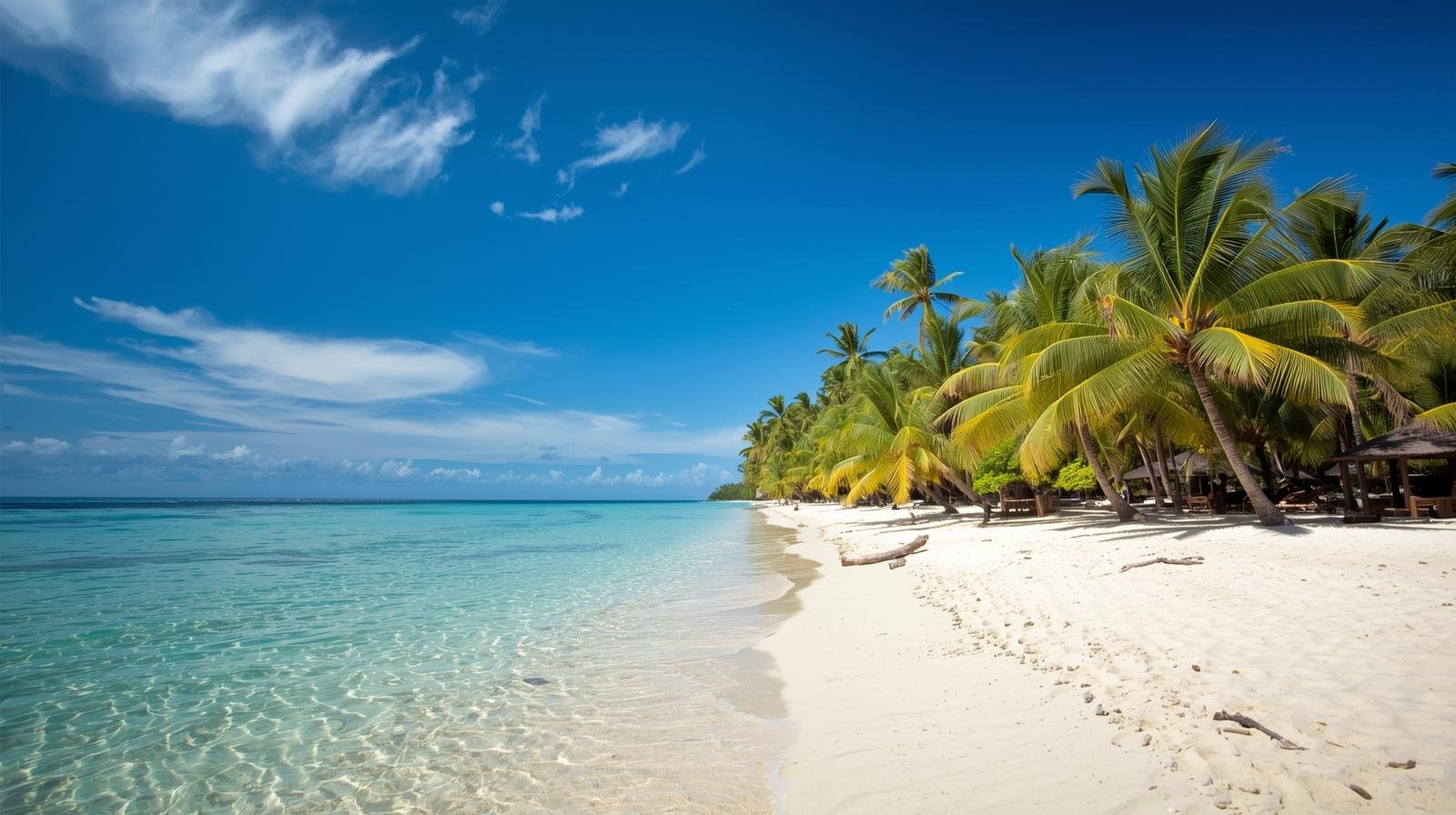
Clear blue waters, white sand beaches, and sunshine that feels endless. Mauritius has all of this waiting. But figuring out when to actually go can get tricky. The best time to visit Mauritius is between May and December, when the weather stays warm but not too sticky.
The thing is, every month here has something special going on. Getting the timing right turns a nice trip into something really memorable. Let’s break down each season so the choice becomes crystal clear.
The Island Has Two Main Seasons
Mauritius sits near the Tropic of Capricorn, with a tropical climate split into two seasons. Summer goes from November to April and brings heat and humidity. Winter runs from May to October with cooler, drier days. These seasons change more than just the temperature.
They affect how the ocean behaves, which paths are good for hiking, and what feels right to do. Summer gets hot. Think 25°C to 33°C most days. December, January, and February are the hottest. The air gets heavy and sticky, which some people actually love.
That’s the real tropical feeling right there. Winter cools things down to 18°C to 24°C. Way more comfortable. The air loses that heaviness. Trade winds blow in from the southeast and make afternoons outside feel great.
What’s the best time to visit Mauritius? Depends on what someone wants. Beach days need different weather than mountain hikes. Both seasons work well when expectations match up with reality.
Summer Gets Busy from November to April
People who love water should come during the summer. The ocean warms up nicely. Swimming for hours feels natural. Snorkeling and diving are perfect because coral reefs show their brightest colors.
Fish and sea creatures get active, giving divers amazing things to see and talk about later. Summer also means holidays and festivals. Christmas markets pop up. Celebrations happen everywhere. The island’s culture really shows itself.
Those December rains people worry about? They make everything super green. Gardens look incredible. Flowers bloom in ways that almost don’t look real. Summer has downsides, though.
Rain increases from December to March. Mostly quick afternoon showers that pass fast. Cyclones can threaten from January to March, but they rarely hit directly. Luxury Holidays to Mauritius get popular in summer, partly because nice hotels have good indoor activities for rainy moments.
Lots of visitors mean higher prices. Beaches get crowded. Christmas and New Year are packed. Anyone with set dates needs to book months early, or miss out on good places.
May and November Are the Perfect Middle Ground
Talk to people who travel a lot, and they’ll say May or November. These months really are the best time to visit Mauritius for many reasons. They grab the good parts of both seasons without the bad stuff.
May brings cooler weather, but not cold. Everything stays green from summer rain. Humidity drops and feels nice. The ocean stays warm for long swims. Water is clear for anyone wanting to see underwater life.
November works opposite. Things warm up, but aren’t blazing hot yet. Rain stays light. Plants look amazing before summer storms arrive. Crowds haven’t shown up. Mauritius Catamaran Sailing Cruises work great now because the waters stay calm and the winds are steady.
Prices matter too. These months cost way less than peak times. Getting quality without paying tons makes May and November really attractive. The whole vibe feels more real, less rushed than busy season.
Winter Has Real Benefits
Winter sounds bad until experiencing what Mauritius winter actually means. Temperatures rarely drop below 18°C. Sunny days happen constantly. The cooler, drier setup makes certain things better, so May to October works perfectly for specific activities.
Hiking and Trekking in Mauritius become way easier in winter. Trails in Black River Gorges National Park feel doable instead of exhausting. Climbing Le Morne Brabant or checking out Chamarel’s colored earth becomes fun rather than suffering.
Walking around without fighting thick air changes everything. Trade winds blow steadily all winter. Perfect for kitesurfing, windsurfing, and sailing. The east and southeast coasts catch these winds just right. Water sports fans plan trips around winter weather.
West and north coasts stay protected, though, with calmer water for easy swimming and snorkeling. Wildlife watching is amazing now. Mauritius Dolphins Whale watching peaks from June to October, when humpback whales swim through on their journeys.
Dolphins show up year-round, but winter’s clear water and calm seas make spotting them easier. Money matters. Budget and Cheap Hotels in Mauritius lower their prices in winter. That fancy resort suddenly becomes affordable. Staying longer makes sense money-wise during these months.
Different Spots Feel Different
Mauritius is small but has different weather in different areas. The middle part around Curepipe and Vacoas gets way more rain than the beaches. Stays cooler there all year. These high areas have awesome waterfalls and thick forests, but need slightly different packing.
The east and southeast coasts get hit by trade winds directly. That breeze cools summer heat but feels chilly on winter mornings. West and northwest areas like Flic en Flac and Grand Baie stay protected from the wind. A bit warmer with calmer water.
South coast areas split the difference. Some wind, but not overwhelming. The temperature stays nice. Fewer tourists hang out in the south compared to the busy northern beaches. Peaceful, no matter when visiting.
Where someone stays matters more than people think. Beach lovers might want sheltered west during winter. Adventure seekers might like the windier east during summer. Location really does change the whole experience.
Cyclones Aren’t as Scary as They Sound
Cyclone season runs from November to May. January, February, and March have the highest risk. Weather forecasts give plenty of warning now. Direct hits happen maybe once or twice every ten years. Most cyclones pass by offshore. Heavy rain and wind, but not major damage.
Hotels have strict safety rules. Buildings are built tough for tropical storms. Staff know what to do in emergencies. When warnings come out, a color system makes risk levels super clear.
Most people visiting during cyclone season never see one. The unlucky ones deal with maybe two days of bad weather. Things go back to normal fast. Travel insurance covering weather stuff gives peace of mind for trips during these months.
Pack Smart for the Season
Summer needs serious sun protection. High SPF sunscreen is essential. A wide hat helps a ton. Good sunglasses and UV swimwear finish the basics. Light clothes work better in humidity. A small rain jacket handles quick showers.
Use reef-safe sunscreen to protect ocean life and skin. Winter requires more planning. Days stay warm for shorts and shirts, but mornings and evenings need layers. Light sweater or jacket works for dinners and evening walks.
Good shoes for hiking. Small backpack for water and snacks during outdoor stuff. Bring bug spray for evenings and forests anytime. A waterproof phone case protects electronics during water activities. Reusable water bottle helps the environment and keeps hydration easy.
Pick Based on What Matters Most
Finding the absolute best time to visit Mauritius depends on personal priorities. Want guaranteed sun with perfect swimming? Go September to early December or May to June. Beach days and water sports? November to April works despite some rain.
Like hiking, biking, and outdoor adventures? May to October gives ideal conditions. Physical stuff feels comfortable, not exhausting. Trying to save money? June to September has great deals when hotel prices drop.
Families stuck with school schedules often have no choice. Summer becomes the only option despite higher prices and bigger crowds. Smart move is picking places with good indoor options and flexible activities for any weather surprises.
That dream tropical trip is ready and waiting. Pick the season that fits personal style, pack right, and get ready for something memorable. Mauritius creates amazing moments all year, whether that’s beach time, mountain exploring, or underwater adventures.
Frequently Asked Questions
1. What is considered the best overall month to visit Mauritius?
May and October balance weather, prices, and crowd sizes best. Both deliver great temps with minimal rain and avoid peak tourist madness.
2. Does the rainy season make Mauritius less enjoyable?
Summer rain shows up as quick afternoon showers, not all day events. Most days stay sunny and extra rain makes everything beautifully green.
3. Can swimming happen year round in Mauritius?
Water temps range from 23°C in winter to 28°C in summer, staying swimmable always. Winter feels slightly cool at first, but bodies warm up fast.
4. How far in advance should trips be booked?
December and January need booking six to nine months early for availability. Off season needs less planning, but three to four months helps.
5. Do currency exchange rates fluctuate with seasons?
Exchange rates follow global economics, not island seasons. Hotel and activity prices change dramatically between busy and quiet times, though.

0 Comment