
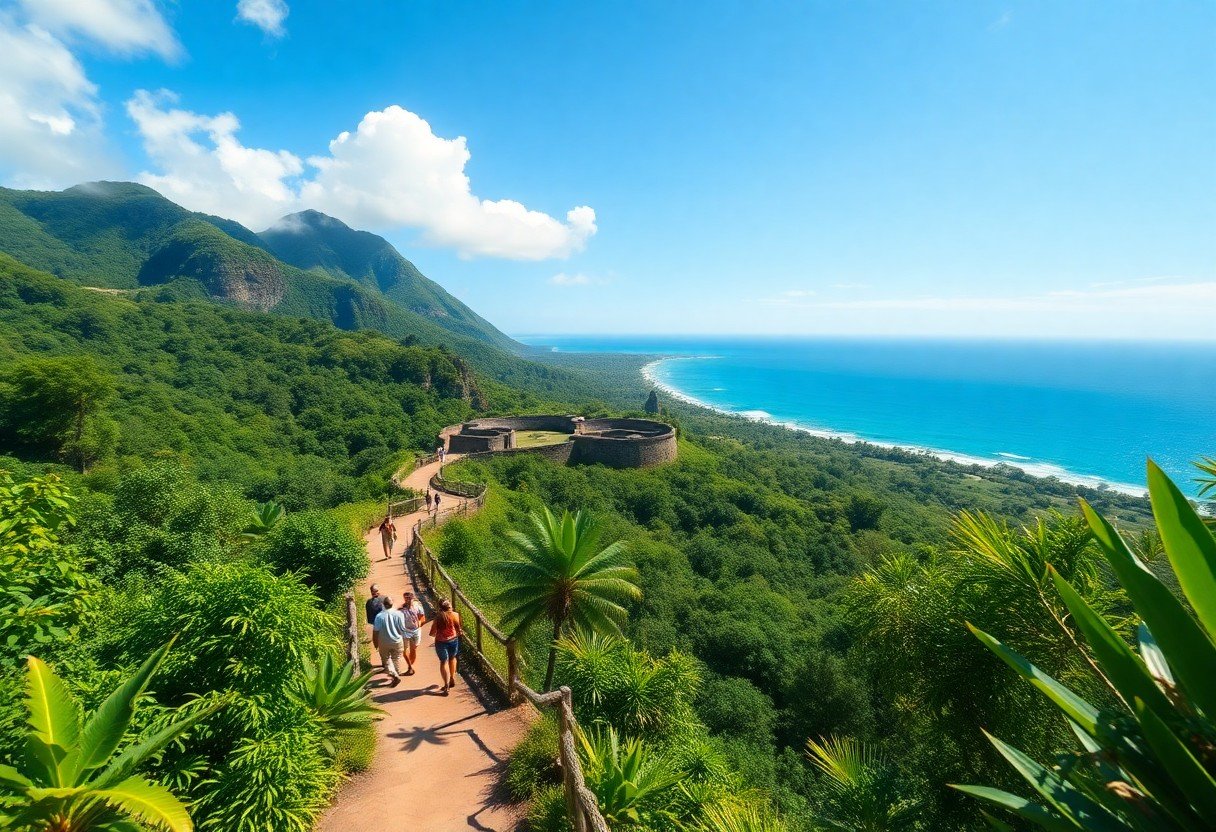
With every step you take on Mauritius, hidden treasures and mystical landscapes await your discovery. Land excursions offer you the chance to probe deep into the island’s rich history, explore its vibrant culture, and uncover the secrets of its natural beauty. From the lush jungles to the stunning beaches, your journey can reveal untold stories and exquisite sights that elevate your experience beyond the ordinary. Engage with local legends and experience the island’s charm in ways that only land exploration can provide.
Key Takeaways:
- Land excursions in Mauritius offer access to hidden natural wonders and cultural experiences off the typical tourist path.
- Engaging with local communities during excursions can reveal unique stories and traditions that enrich the visitor experience.
- Exploring the island’s diverse landscapes, from mountains to forests, unveils its ecological and historical significance.
The Ecological Diversity of Mauritius
Unique Flora and Fauna
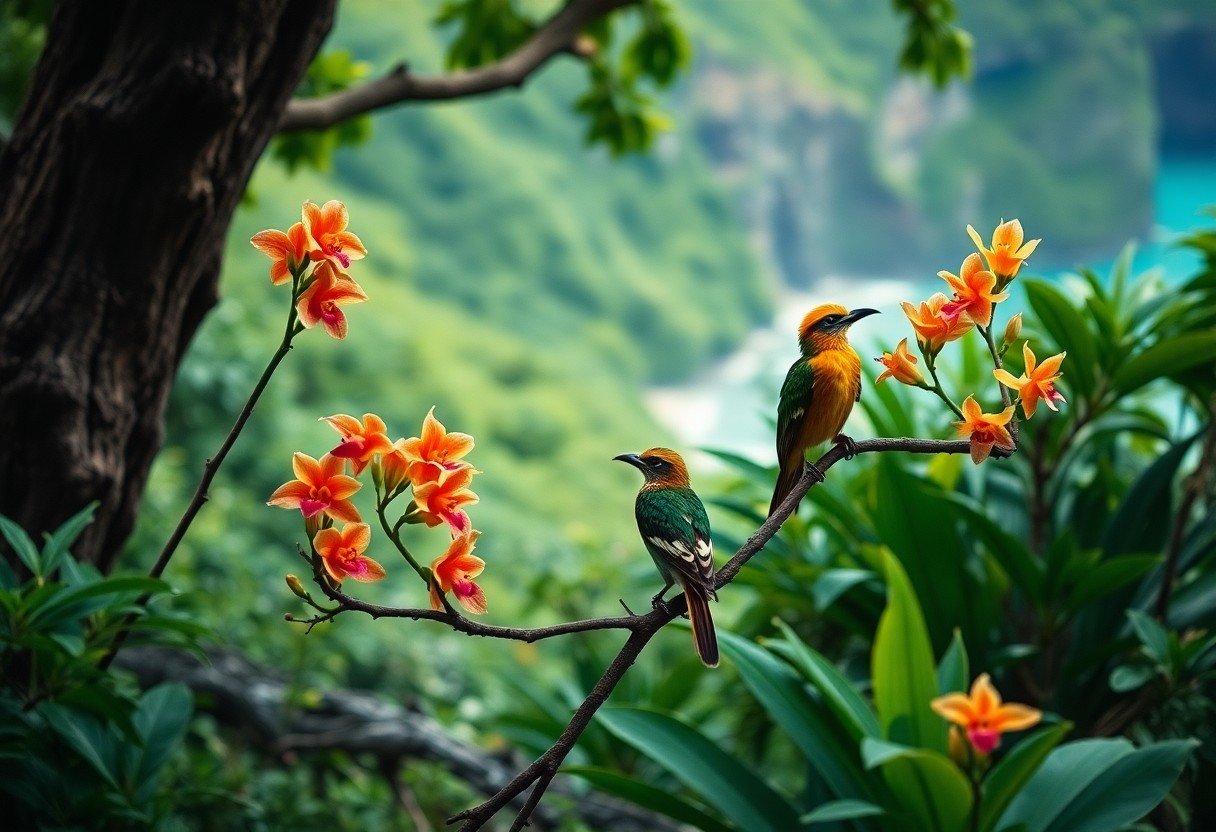
When you launch on land excursions in Mauritius, you’re stepping into an ecological treasure trove characterized by its exceptional biodiversity. The island is home to around 700 species of flowering plants, many of which are endemic, meaning they can only be found here. The legendary Tambalacoque tree, often called the “Dodo tree,” is one example, which once faced extinction but has shown resilience due to conservation efforts. Moreover, the majestic albatross and the vibrant Mauritius fody highlight the unique avifauna that exists only in this part of the world.
In addition to plants and birds, the island’s ecosystems support a wide variety of reptiles and marine life. The Mauritian flying fox, a fruit bat, plays a significant role in pollinating native trees, contributing to the island’s ecological balance. As you explore the coastal regions, you may also encounter endemic marine species residing in the coral reefs, which not only beautify the waters but also sustain local fisheries.
Conservation Efforts and Initiatives
Conserving Mauritius’s ecological diversity is an ongoing challenge that involves local communities, government bodies, and international organizations. Initiatives like the Mauritius Wildlife Foundation work tirelessly to protect the island’s endemic species and restore natural habitats. You’ll find that many resorts now incorporate eco-friendly practices, aiming to minimize their environmental footprint while supporting conservation programs.
One of the standout projects is the Reintroduction Program for the Pink Pigeon, which faced near-extinction by the late 1990s. With intensive breeding and habitat restoration efforts, the population has increased from a mere 10 individuals to over 300 today. Your participation in local tours can contribute directly to these efforts, creating a sustainable model that benefits both the island and visitors.
Historical Significance
Colonial Influences
The colonial history of Mauritius has profoundly shaped its societal structures and cultural identity. As a former French and British colony, the island reflects a blend of European influences, evident in its architecture, language, and culinary traditions. You can explore the remnants of colonial rule in the capital, Port Louis, where buildings such as the Government House and the Aapravasi Ghat tell the stories of labor migration and trade. These sites are not merely historical markers; they provide insight into the complexities of colonial relationships and the multicultural fabric that defines modern Mauritius.
The legacy extends beyond structures; it influences social dynamics and language. The predominant use of French and English, alongside Creole, showcases how colonial linguistics shaped local communication. Participating in a guided land excursion allows you to engage with locals who share tales of resistance and adaptation, enriching your understanding of Mauritius’s unique colonial past.
Indigenous Cultures and Traditions
Before European colonization, the island was primarily uninhabited, with the arrival of the Dutch, French, and British leading to a significant transformation in its demographic and cultural landscape. Indigenous cultures, though largely displaced, contribute to Mauritius’s cultural mosaic. Bois-Chéri and the Rivière Noire National Park are sites where you can observe remnants of these ancient practices and beliefs, including worship rituals and traditional crafts.
As you examine deeper into these indigenous cultures, you will discover rich oral traditions and storytelling that survive through generations. These narratives often revolve around the island’s natural elements, representing how the indigenous peoples respected and revered their environment. You may find local festivals that celebrate these traditions, providing you with an opportunity to engage with cultural expressions that honor the island’s original inhabitants.
Must-Visit Excursion Spots
Natural Wonders and Landscapes
Exploring the natural beauty of Mauritius is a must, with sites like the iconic Seven Coloured Earths of Chamarel drawing you into a world of vibrant, rainbow-hued sands formed by volcanic activity. This geological marvel is complemented by the nearby Chamarel Waterfall, where the cascading waters plunge over 100 meters into a lush valley, creating a peaceful oasis perfect for photography and contemplation. Don’t miss the Black River Gorges National Park, home to rare flora and fauna, where you can traverse a variety of hiking trails that offer breathtaking views and the chance to spot endemic species such as the Mauritius grey-headed pigeon.
You should also consider visiting the scenic Le Morne Brabant, a UNESCO World Heritage site, that stands as a symbol of freedom for escaped slaves. With its imposing cliffs and rich ecosystem, it provides a fantastic backdrop for both hiking and historical exploration. The surrounding beaches, such as those in Bel Ombre, are ideal for relaxation after a day of adventure, allowing you to soak in the island’s tranquility while enjoying the stunning coastal vistas.
Cultural Heritage Sites
Mauritius is rich in cultural significance, with sites like Aapravasi Ghat, a UNESCO World Heritage site, highlighting the island’s history as a former indentured labor station. This landmark represents a critical period of migration and the diverse cultures that shaped Mauritius. Additionally, the Sir Seewoosagur Ramgoolam Botanical Garden offers insights into the island’s colonial past, featuring more than 600 species of plants, some of which were brought by early settlers, showcasing a blend of global botanical influences.
In Port Louis, the capital’s bustling Central Market provides an authentic glimpse into local life, where you can sample traditional street food and discover local crafts. The historical site of the Mona Bourdillon Temple also reflects the island’s rich Indian heritage, showcasing beautiful architecture and vibrant festivals. Engaging with these heritage sites allows you to appreciate the cultural tapestry that makes Mauritius truly unique.
Adventure Activities
Hiking and Nature Trails
Embarking on hiking adventures, you’ll discover the diverse landscapes of Mauritius, from lush forests to dramatic volcanic formations. Trails such as the Black River Gorges National Park offer you breathtaking views and the chance to encounter unique endemic species. With over 60 kilometers of designated paths, ranging from easy walks to challenging treks, there’s something for every level of fitness. The ascent to Le Morne Brabant not only tests your endurance but rewards you with panoramic ocean views overlooking stunning lagoons.
As you traverse these trails, you’ll find opportunities to dive deep into the island’s ecosystems. Keep your eyes peeled for the rare Mauritius kestrel or the vibrant flora such as the Trochetia boutoniana, the national flower. Guided hikes enhance your experience, offering insights from local experts who share stories of indigenous culture and historical significance tied to the land.
Water Sports and Marine Exploration
Water sports in Mauritius cater to thrill-seekers and casual adventurers alike. You can try your hand at kitesurfing in the windswept shores of Le Morne, or cruise the tranquil waters with a paddleboard at Tamarin Bay. Below the surface, the coral reefs surrounding Mauritius invite you to explore a vibrant underwater world filled with colorful marine life. Scuba diving excursions often take you to the Blue Hole, where you’ll encounter stunning drop-offs and various fish species, including the sought-after mahi-mahi.
Whether you prefer the rush of jet skiing or the serene experience of snorkeling amidst coral gardens, you are guaranteed unforgettable memories. With clear turquoise waters and abundant marine biodiversity, each activity connects you more closely to the pristine environment that this island offers, providing a unique perspective on its natural beauty.
Engaging with Local Communities
Cultural Exchanges and Experiences
As you traverse through Mauritius, engaging with local communities becomes an enriching part of your journey. Traditional dance forms like sega not only entertain but also serve as a vibrant storytelling medium that reflects the island’s multicultural tapestry. You might find yourself in a village during a festival, where the sounds of drums and laughter fill the air. Participating in these celebrations allows you to immerse yourself in the local culture and understand the significance of their traditions. Furthermore, workshops on handicrafts, such as weaving sugarcane mats, offer a hands-on experience that connects you directly to the artisans and their craft.
Supporting Local Economies
By choosing to engage with local communities, your travel decisions significantly impact the economy of Mauritius. Purchasing handmade goods, dining at small eateries, and booking excursions led by locals enhances their livelihoods. This form of responsible tourism not only ensures that a larger share of your spending circulates within the community but also strengthens cultural preservation efforts. For instance, consider visiting a local market where fresh produce and crafted items are sold. Your investment in these local businesses fosters a sense of pride and sustainability among the residents.
Moreover, initiatives like community-based tourism projects have emerged, allowing visitors like you to stay in local guesthouses or partake in farm stays. These experiences not only facilitate personal connections but also empower families by creating sustainable income sources. In doing so, you help uphold the very fabric of Mauritian society, which relies heavily on preserving both its cultural identity and economic stability.
Practical Tips for Excursions
To fully enjoy your excursions in Mauritius, planning is important. Engaging with local tour operators can enhance your experience by providing insights into cultural heritage and hidden gems. Consider booking a guided tour to experience the island’s history and natural beauty through the eyes of an expert. Additionally, familiarize yourself with local customs and etiquette to ensure respectful interactions with the communities you visit.
- Always carry water to stay hydrated.
- Use sun protection to avoid sunburn.
- Wear comfortable footwear for hiking and exploration.
- Bring a camera to capture stunning landscapes.
- Pack a reusable shopping bag for local markets.
Best Times to Visit
Planning your excursions around the optimal times to visit can significantly enhance your experience. The period between May and December is generally considered the best time, as the weather is cooler and drier, perfect for outdoor activities. However, if you prefer the warmth of summer, consider the months of January to March, while being prepared for occasional rainfalls.
The peak tourist season, which runs from mid-December to January, can lead to crowded attractions. If you aim to escape the hustle and bustle, consider visiting during shoulder months, such as April or November, when the weather is still pleasant, but the crowds have thinned out significantly.
Essential Packing List
Your adventure in Mauritius will be more enjoyable with the right importants packed. Start with lightweight clothing to ensure comfort in the warm climate. Include swimwear for beach excursions and lightweight layers for cooler evenings. Don’t forget your travel guidebook to help navigate your adventures, and pack necessary medications for any specific health needs. A reliable backpack can also prove invaluable for daily outings.
As you prepare your excursion packing list, consider including a few local items that could enhance your experience. A snorkeling kit could prove to be a great investment for exploring underwater treasures at various spots around the island. Furthermore, a dry bag is important if you plan on engaging in water activities, ensuring your belongings stay safe and dry.
Recognizing the importance of preparation will help you explore Mauritius with greater ease and enjoyment, allowing you to uncover its many secrets effectively.
Summing up
Considering all points, you will find that Mauritius offers an abundance of land excursions that can unveil the island’s enigmatic secrets. As you explore its lush landscapes, colorful cultures, and rich history, each step reveals stories and hidden gems that resonate deeply with your experience. Engaging with local communities and visiting lesser-known sites allows you to connect with the island on a more personal level, transforming your understanding of Mauritius into something more profound and memorable.
Your journey through Mauritius is not only about leisure but also about discovery. By taking the time to commence on these excursions, you unlock the potential for deeper insights into the island’s diverse heritage and natural wonders. Enriching your adventure with these experiences will lead to a more rewarding and insightful exploration of this captivating destination.
FAQ
Q: What types of excursions are available in Mauritius that reveal the island’s hidden gems?
A: Mauritius offers a variety of excursions including hiking tours in national parks, guided boat trips to secluded beaches, and cultural tours to historical sites. Each option provides unique insights into the island’s natural beauty and rich heritage.
Q: How do local guides enhance the experience of exploring Mauritius?
A: Local guides share their knowledge of the island’s history, flora, and fauna, providing context and deeper understanding. They often take visitors to less-known spots and share stories that add richness to the experience.
Q: Are there excursions that focus specifically on the wildlife of Mauritius?
A: Yes, there are specialized wildlife excursions that include birdwatching at nature reserves, visits to the islands where endemic species reside, and snorkeling tours that showcase the vibrant marine life surrounding Mauritius.

0 Comment